
 EN
EN
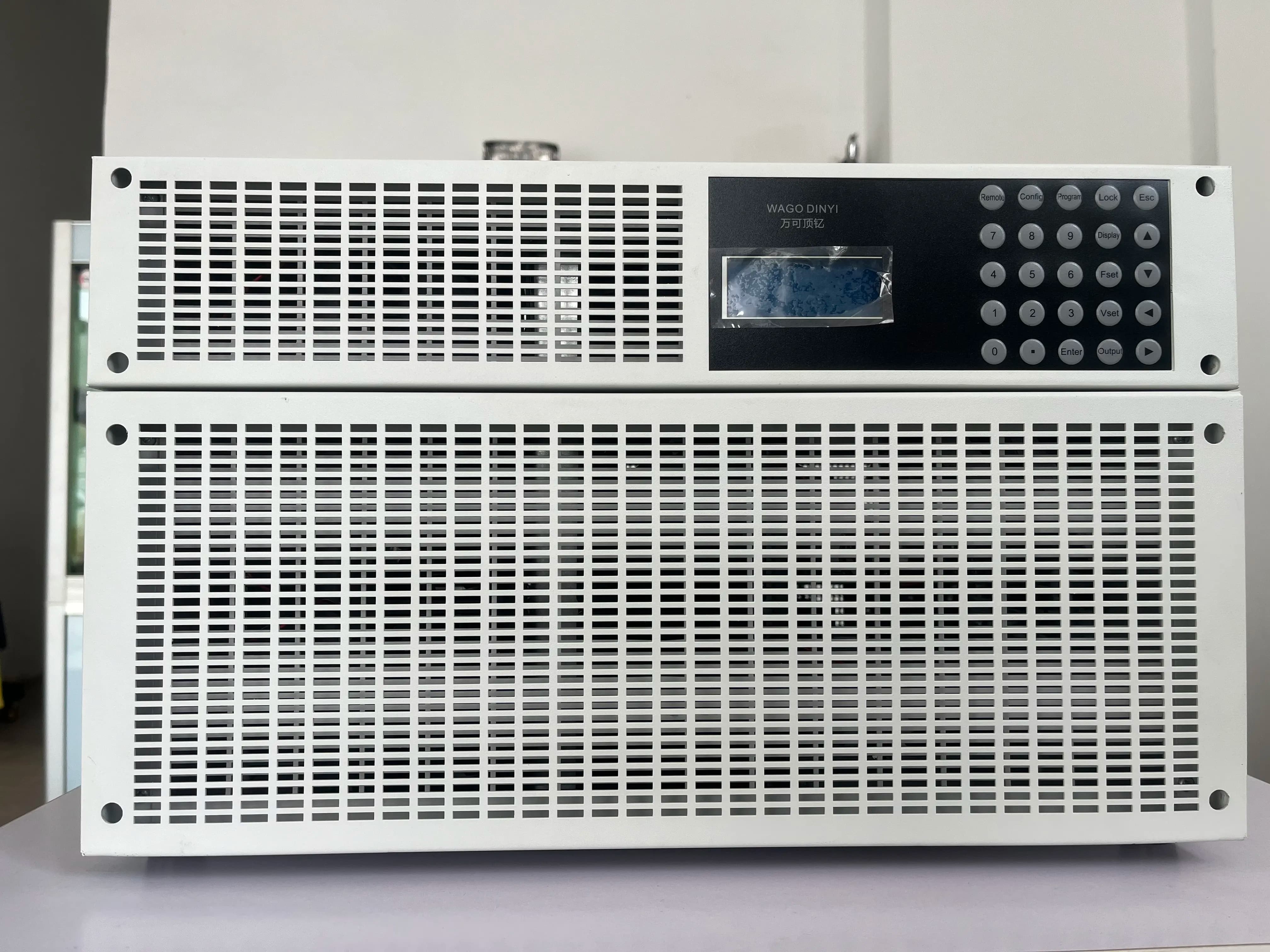
Grid instability poses significant risks to electrical infrastructure and connected equipment across industrial and commercial applications. Understanding how AC power sources function as early warning systems for detecting potential grid failures has become crucial for maintaining operational continuity. Advanced AC power sources equipped with sophisticated monitoring capabilities can identify voltage fluctuations, frequency variations, and harmonic distortions that often precede major equipment failures. These diagnostic tools enable proactive maintenance strategies and help prevent costly downtime in critical applications.
Understanding Grid Instability Indicators Through AC Power Sources
Voltage Fluctuation Detection
Modern AC power sources incorporate advanced voltage monitoring systems that continuously track electrical parameters in real-time. These systems can detect minute voltage variations that may indicate developing problems in the electrical grid or connected equipment. Voltage sags, surges, and transients often serve as early indicators of transformer failures, conductor degradation, or overloading conditions that could lead to cascading system failures.
The precision measurement capabilities of contemporary AC power sources enable detection of voltage deviations as small as 0.1% from nominal values. This sensitivity allows maintenance teams to identify trending issues before they escalate into critical failures. Voltage regulation mechanisms within these power sources also provide protective buffering against minor grid fluctuations while simultaneously logging anomalies for analysis.
Frequency Deviation Monitoring
Frequency stability serves as another critical indicator of grid health that AC power sources can effectively monitor. Grid frequency typically remains within tight tolerances under normal operating conditions, but deviations often signal generator imbalances, load mismatches, or transmission system disturbances. Advanced AC power sources can track frequency variations with sub-hertz precision, enabling early detection of systemic issues.
The correlation between frequency stability and grid reliability becomes particularly evident during peak demand periods or when renewable energy sources introduce variability into the power system. AC power sources with integrated frequency analysis capabilities can differentiate between normal operational variations and anomalous conditions that warrant immediate attention from grid operators.
Harmonic Analysis and Power Quality Assessment
Total Harmonic Distortion Measurement
Harmonic distortion represents one of the most revealing indicators of electrical system health that sophisticated AC power sources can monitor continuously. Total Harmonic Distortion measurements provide insights into the quality of electrical power and can reveal the presence of non-linear loads, aging equipment, or deteriorating system components. Elevated harmonic levels often precede equipment failures by weeks or months.
The ability of advanced AC power sources to perform real-time harmonic analysis enables identification of specific harmonic frequencies that correlate with particular types of equipment degradation. For example, certain harmonic signatures may indicate bearing wear in rotating machinery or insulation breakdown in transformers, allowing for targeted maintenance interventions.
Power Factor and Reactive Power Monitoring
Power factor measurements obtained through AC power sources provide valuable information about system efficiency and the health of inductive loads throughout the electrical network. Declining power factor values often indicate deteriorating motor windings, capacitor failures, or increased system losses that can lead to equipment overheating and premature failure.
Reactive power monitoring capabilities integrated into modern AC power sources enable comprehensive assessment of system loading conditions and identification of components operating outside their designed parameters. This information proves invaluable for predicting when equipment may require maintenance or replacement before catastrophic failure occurs.
Advanced Diagnostic Capabilities of Modern AC Power Systems
Transient Event Recording
High-speed data acquisition systems within contemporary AC power sources can capture and analyze transient electrical events that may indicate impending equipment failures. Lightning strikes, switching operations, and fault conditions create characteristic transient signatures that experienced technicians can interpret to assess system vulnerability and equipment condition.
The temporal resolution of modern transient recording systems allows for detailed analysis of event sequences that may precede equipment failures. This capability enables development of predictive algorithms that can forecast potential failure scenarios based on historical transient patterns and current system conditions.
Load Profile Analysis
Continuous load monitoring through AC power sources provides insights into equipment operating patterns and can reveal gradual changes in system behavior that may indicate developing problems. Unexpected increases in standby power consumption, changes in startup current profiles, or variations in normal operating loads can signal equipment degradation before visible symptoms appear.
The integration of machine learning algorithms with load profile data enables increasingly sophisticated prediction of equipment failure modes. These systems can identify subtle patterns in electrical consumption that human operators might overlook, providing earlier warning of potential problems and enabling more effective maintenance scheduling.
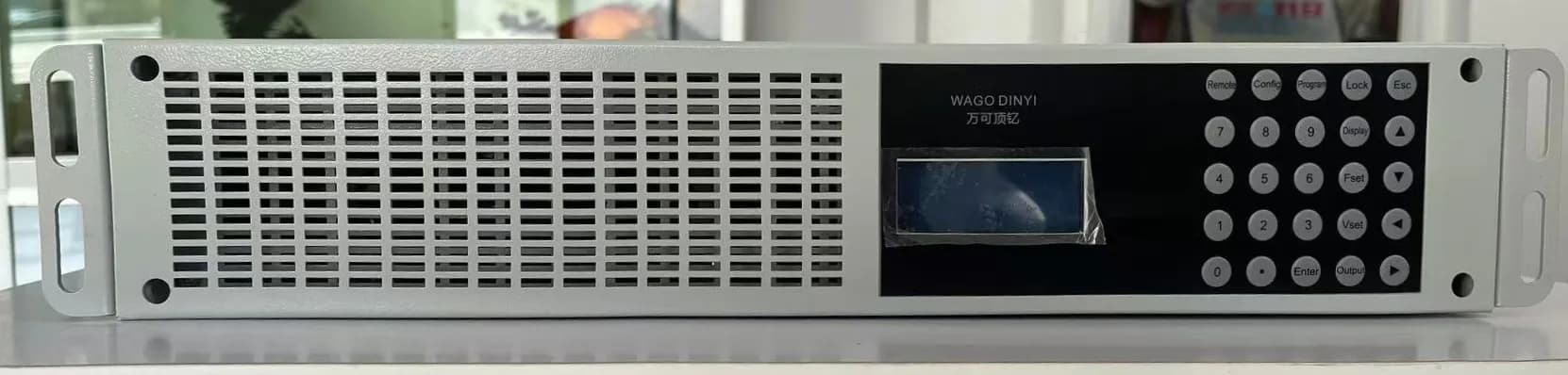
Implementing Proactive Grid Monitoring Strategies
Data Integration and Analysis Platforms
Effective utilization of AC power sources for grid stability monitoring requires integration with comprehensive data analysis platforms that can process large volumes of electrical parameter data. These platforms combine measurements from multiple monitoring points to create detailed pictures of system health and identify correlations between different parameters that may indicate developing problems.
Cloud-based monitoring solutions enable remote access to real-time grid stability data and facilitate collaboration between maintenance teams across multiple locations. The scalability of these platforms allows for expansion of monitoring coverage as system requirements evolve and additional AC power sources are deployed throughout the electrical infrastructure.
Alarm Management and Response Protocols
Sophisticated alarm management systems integrated with AC power sources enable rapid response to detected anomalies while minimizing false alarms that can desensitize operators to genuine threats. Configurable threshold settings allow customization of alarm sensitivity based on specific equipment characteristics and operational requirements.
Automated response protocols can initiate protective actions when AC power sources detect conditions that may lead to equipment failure. These systems can implement load shedding, equipment isolation, or backup power activation to prevent cascading failures while alerting maintenance personnel to investigate and address underlying causes.
Benefits of Early Detection Through AC Power Source Monitoring
Cost Reduction and Operational Efficiency
Implementing comprehensive grid monitoring through AC power sources delivers significant cost savings by enabling proactive maintenance strategies rather than reactive repairs. Early detection of potential equipment failures allows for planned maintenance during scheduled outages, avoiding emergency repairs that typically cost several times more than planned interventions.
The operational efficiency gains from reliable grid stability monitoring extend beyond direct maintenance cost savings to include improved production uptime, reduced insurance premiums, and enhanced overall system reliability. These benefits compound over time as maintenance teams develop better understanding of equipment behavior patterns and failure modes.
Enhanced Safety and Risk Mitigation
Grid instability detection through AC power sources contributes significantly to workplace safety by identifying conditions that could lead to electrical accidents or equipment explosions. Early warning systems enable evacuation of personnel from hazardous areas and implementation of safety protocols before dangerous conditions develop.
Risk mitigation extends to protection of expensive equipment and prevention of secondary damage that often occurs during electrical failures. The ability to isolate affected systems before catastrophic failure prevents damage to adjacent equipment and reduces the scope of repairs required to restore normal operations.
FAQ
How accurate are AC power sources in detecting early signs of grid instability
Modern AC power sources can detect voltage variations as small as 0.1% and frequency deviations within sub-hertz precision. The accuracy of instability detection depends on the quality of monitoring equipment and the establishment of appropriate baseline parameters. High-end systems typically achieve detection accuracies exceeding 99% for significant grid anomalies when properly calibrated and maintained.
What is the typical response time for AC power sources to identify grid problems
Advanced AC power sources can identify grid anomalies within milliseconds to seconds depending on the type of disturbance being monitored. Transient events are typically detected within microseconds, while trending issues like gradual voltage drift or harmonic buildup may be identified within minutes or hours as patterns develop. Real-time monitoring systems provide immediate alerts for critical conditions requiring immediate response.
Can AC power sources prevent all types of equipment failures
While AC power sources significantly improve early detection capabilities, they cannot prevent all equipment failures since some failure modes may not produce detectable electrical signatures until after damage has occurred. However, studies indicate that properly implemented monitoring systems can predict 70-80% of electrical equipment failures with sufficient advance warning to enable preventive action.
What maintenance is required for AC power source monitoring systems
AC power source monitoring systems require regular calibration of measurement instruments, software updates, and periodic testing of alarm functions to maintain accuracy and reliability. Typical maintenance intervals range from quarterly calibration checks to annual comprehensive system verification. Proper maintenance ensures continued accuracy of grid stability monitoring and prevents false alarms that could compromise operator confidence in the system.

