
 EN
EN
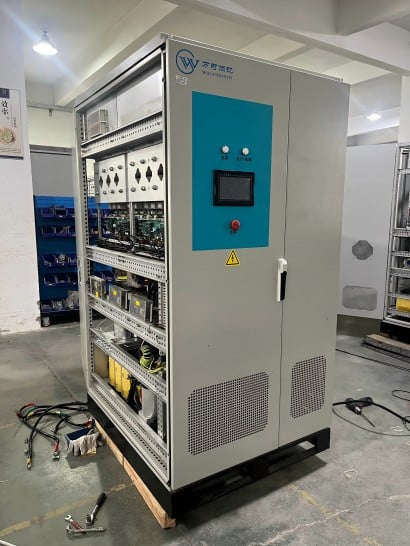
Power equipment testing requires precision, reliability, and consistency to ensure electrical devices meet stringent performance standards. A high-quality AC power source serves as the foundation for accurate testing procedures, providing controlled electrical conditions that simulate real-world scenarios. Testing laboratories, manufacturing facilities, and research institutions depend on sophisticated AC power source systems to validate equipment performance, safety compliance, and operational reliability across diverse applications.
Modern electrical equipment operates within specific voltage, frequency, and harmonic parameters that must be thoroughly evaluated during development and production phases. An advanced AC power source enables engineers to create controlled test environments where variables can be precisely adjusted and monitored. This capability proves essential for validating equipment performance under various electrical conditions, including voltage fluctuations, frequency variations, and power quality disturbances that may occur in actual operating environments.
The selection of appropriate test equipment directly impacts the accuracy and reliability of measurement results. Professional-grade AC power source units offer superior stability, low harmonic distortion, and programmable output characteristics that ensure consistent test conditions. These features enable comprehensive evaluation of electrical equipment performance while maintaining traceability to international standards and certification requirements.
Essential Features of Professional AC Power Source Systems
Precision Voltage and Frequency Control
Professional AC power source equipment incorporates advanced digital control systems that deliver exceptional voltage and frequency accuracy. These systems typically maintain voltage regulation within ±0.1% and frequency stability within ±0.01Hz, ensuring test conditions remain consistent throughout extended testing periods. Precise control capabilities enable engineers to evaluate equipment performance across specified operating ranges while documenting compliance with relevant standards.
Digital control interfaces provide intuitive operation and programmable test sequences that enhance testing efficiency. Modern AC power source units feature touchscreen displays, remote control capabilities, and comprehensive parameter monitoring that simplifies complex test procedures. These user-friendly interfaces reduce setup time while minimizing operator errors that could compromise test results.
Low Harmonic Distortion Performance
High-quality AC power source systems maintain total harmonic distortion below 0.5% to ensure clean sinusoidal output waveforms. Low distortion characteristics prevent interference with sensitive test equipment and enable accurate measurement of device performance parameters. Clean power output proves particularly critical when testing precision instruments, communication equipment, and electronic devices that may be susceptible to harmonic interference.
Advanced filtering technologies and sophisticated control algorithms work together to minimize harmonic content while maintaining stable output characteristics. These technical improvements ensure test conditions accurately represent ideal power grid conditions, enabling reliable evaluation of equipment performance under optimal operating scenarios.
Applications in Power Equipment Testing
Electrical Device Validation
Manufacturing facilities rely on calibrated AC power source equipment to validate electrical devices during production testing. Quality control procedures require consistent power conditions to ensure each manufactured unit meets specified performance criteria. Automated test systems integrate programmable AC power source units that deliver repeatable test conditions while documenting compliance with quality standards.
Production testing applications benefit from the rapid response characteristics and stable output performance of modern AC power source systems. These capabilities enable high-throughput testing operations while maintaining measurement accuracy across diverse product lines. Comprehensive logging and reporting features support quality management systems and regulatory compliance requirements.
Research and Development Testing
Research laboratories utilize sophisticated AC power source equipment to evaluate prototype devices under controlled electrical conditions. Development testing requires the flexibility to simulate various power grid scenarios, including voltage sags, swells, and frequency deviations that may affect equipment operation. Programmable AC power source systems provide the versatility needed to conduct comprehensive performance evaluations during product development phases.
Advanced test capabilities enable researchers to investigate equipment behavior under extreme operating conditions while maintaining precise control over test parameters. Data acquisition interfaces facilitate detailed performance analysis and documentation of test results for design optimization and regulatory submissions.
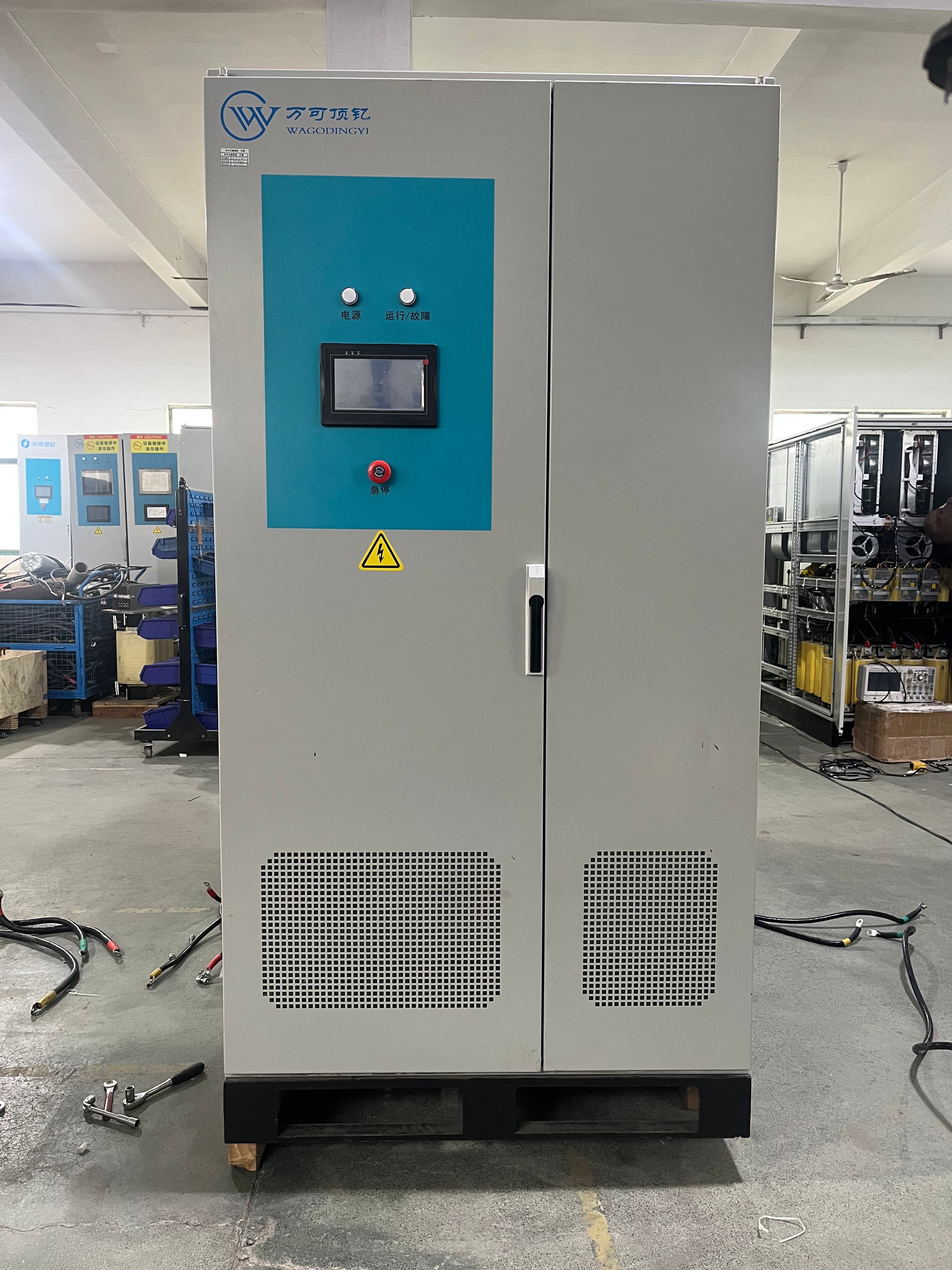
Technical Specifications and Performance Criteria
Power Rating and Output Characteristics
Professional AC power source systems are available in various power ratings ranging from single-phase units of several kilowatts to three-phase systems exceeding 100kVA. Power rating selection depends on the electrical requirements of test equipment and the maximum load conditions that must be evaluated. Higher power ratings enable testing of industrial equipment, large motors, and power conversion systems that require substantial electrical input.
Output voltage ranges typically span from 0V to 300V per phase, accommodating diverse equipment voltage requirements. Programmable voltage and frequency ranges enable comprehensive testing across international power standards, including 50Hz and 60Hz operation with various voltage levels. This flexibility proves essential for manufacturers developing products for global markets.
Dynamic Response and Stability
Fast dynamic response characteristics ensure AC power source systems can maintain stable output during rapid load changes. Transient response specifications typically indicate recovery times of less than 50 microseconds for step load changes, preventing voltage fluctuations that could affect test accuracy. Superior dynamic performance enables testing of equipment with varying power consumption patterns while maintaining consistent supply conditions.
Load regulation specifications define output stability under different load conditions, with high-performance units maintaining voltage within ±0.5% from no-load to full-load operation. This stability ensures consistent test conditions regardless of equipment power consumption variations during testing procedures.
Integration with Test Systems and Automation
Communication Interfaces and Control
Modern AC power source equipment incorporates multiple communication interfaces including Ethernet, USB, and GPIB connections for seamless integration with automated test systems. These interfaces enable remote control, parameter programming, and real-time monitoring through standard communication protocols. Integration capabilities facilitate the development of comprehensive test systems that combine power supply, measurement instruments, and data acquisition equipment.
Standardized command sets and programming interfaces simplify software development for automated test applications. Compatible software drivers support popular programming environments including LabVIEW, MATLAB, and Python, enabling engineers to develop customized test procedures that meet specific application requirements.
Safety Features and Protection Systems
Comprehensive protection systems ensure safe operation during power equipment testing procedures. Overcurrent protection, overvoltage protection, and thermal monitoring systems prevent equipment damage and ensure operator safety during testing operations. Emergency shutdown capabilities provide immediate power disconnection when hazardous conditions are detected.
Isolation transformers and ground fault protection systems minimize electrical hazards while maintaining test accuracy. Safety interlocks and warning systems alert operators to potentially dangerous conditions before they pose risks to personnel or equipment. These protective features enable confident operation in demanding test environments.
Benefits of High-Quality AC Power Source Equipment
Improved Test Accuracy and Repeatability
Precision AC power source systems significantly improve measurement accuracy by eliminating power-related variables that could influence test results. Stable voltage and frequency conditions enable accurate evaluation of equipment performance parameters while reducing measurement uncertainty. Consistent power conditions ensure repeatable test results that support reliable quality control and certification processes.
Calibrated output characteristics provide traceability to national standards, supporting accreditation requirements for testing laboratories. Regular calibration procedures maintain measurement accuracy over time while documenting compliance with quality management systems. These capabilities prove essential for laboratories seeking ISO 17025 accreditation and other quality certifications.
Enhanced Testing Efficiency
Programmable test sequences and automated control capabilities significantly reduce testing time while improving procedural consistency. Preset configurations enable rapid setup for common test procedures, minimizing operator involvement and reducing the potential for setup errors. Remote control capabilities allow multiple test stations to be operated from centralized locations, improving overall testing efficiency.
Advanced AC power source systems feature rapid output settling times and fast programming speeds that enable high-throughput testing operations. These performance characteristics prove particularly valuable in production environments where testing speed directly impacts manufacturing costs and delivery schedules.
Selection Criteria for AC Power Source Equipment
Application Requirements Analysis
Proper AC power source selection begins with comprehensive analysis of testing requirements including voltage ranges, power levels, and frequency specifications. Load characteristics such as power factor, crest factor, and dynamic behavior must be considered to ensure adequate system performance. Environmental conditions including temperature ranges, humidity levels, and space constraints also influence equipment selection decisions.
Future expansion requirements should be evaluated to ensure selected AC power source equipment can accommodate growing testing needs. Modular designs and upgradeable configurations provide flexibility for expanding test capabilities as requirements evolve. Standardized interfaces and compatible accessories facilitate system expansion while protecting initial equipment investments.
Performance Specifications and Standards
Critical performance specifications include output accuracy, stability, harmonic distortion, and dynamic response characteristics that directly impact testing capabilities. International standards such as IEC 61000 series and IEEE standards provide guidelines for acceptable AC power source performance in various applications. Compliance with relevant standards ensures compatibility with testing procedures and measurement requirements.
Certification and calibration documentation should be evaluated to ensure AC power source equipment meets quality and traceability requirements. Manufacturer support including technical assistance, training, and maintenance services significantly impacts long-term equipment reliability and operational effectiveness.
Maintenance and Calibration Considerations
Preventive Maintenance Programs
Regular maintenance procedures ensure continued accuracy and reliability of AC power source equipment throughout its operational life. Preventive maintenance schedules typically include cleaning procedures, connection inspections, and performance verification tests that identify potential issues before they affect testing operations. Proper maintenance practices extend equipment life while maintaining measurement accuracy.
Environmental monitoring and contamination control help prevent degradation of sensitive electronic components within AC power source systems. Temperature control, humidity management, and air filtration systems protect equipment from environmental factors that could compromise performance or reliability. These measures prove particularly important in industrial environments where dust, moisture, and temperature variations may be present.
Calibration Procedures and Traceability
Regular calibration procedures maintain measurement accuracy and provide traceability to national standards required for quality certifications. Calibration intervals typically range from 12 to 24 months depending on usage patterns, environmental conditions, and accuracy requirements. Professional calibration services ensure proper procedures are followed while providing documentation necessary for quality management systems.
Internal verification procedures enable operators to monitor AC power source performance between formal calibrations. Simple checks using calibrated reference instruments can identify drift or performance degradation that requires attention. These procedures help maintain confidence in measurement results while minimizing downtime for calibration services.
FAQ
What power rating should I select for my AC power source testing needs
Power rating selection depends on the maximum power consumption of your test equipment plus appropriate safety margins. Calculate the total power requirements including resistive, reactive, and harmonic components, then select an AC power source rated at least 25% higher to ensure adequate headroom. Consider future testing requirements and potential equipment additions when making this selection.
How often should AC power source equipment be calibrated
Calibration intervals typically range from 12 to 24 months for most applications, though critical testing operations may require more frequent calibration. Environmental conditions, usage patterns, and accuracy requirements influence optimal calibration schedules. Consult manufacturer recommendations and quality management system requirements to establish appropriate calibration intervals for your specific application.
Can AC power source systems simulate power grid disturbances for testing
Advanced AC power source equipment can simulate various power quality disturbances including voltage sags, swells, harmonics, and frequency variations. These capabilities enable comprehensive testing of equipment immunity to power grid anomalies. Programmable disturbance generation features support compliance testing with electromagnetic compatibility standards and power quality requirements.
What safety features should I look for in professional AC power source equipment
Essential safety features include overcurrent protection, overvoltage protection, thermal monitoring, emergency shutdown capabilities, and isolation transformers. Ground fault protection, safety interlocks, and comprehensive warning systems provide additional protection for operators and equipment. Ensure selected AC power source equipment meets relevant safety standards including UL, CE, and other applicable certifications for your operating environment.
Table of Contents
- Essential Features of Professional AC Power Source Systems
- Applications in Power Equipment Testing
- Technical Specifications and Performance Criteria
- Integration with Test Systems and Automation
- Benefits of High-Quality AC Power Source Equipment
- Selection Criteria for AC Power Source Equipment
- Maintenance and Calibration Considerations
- FAQ

