
 EN
EN
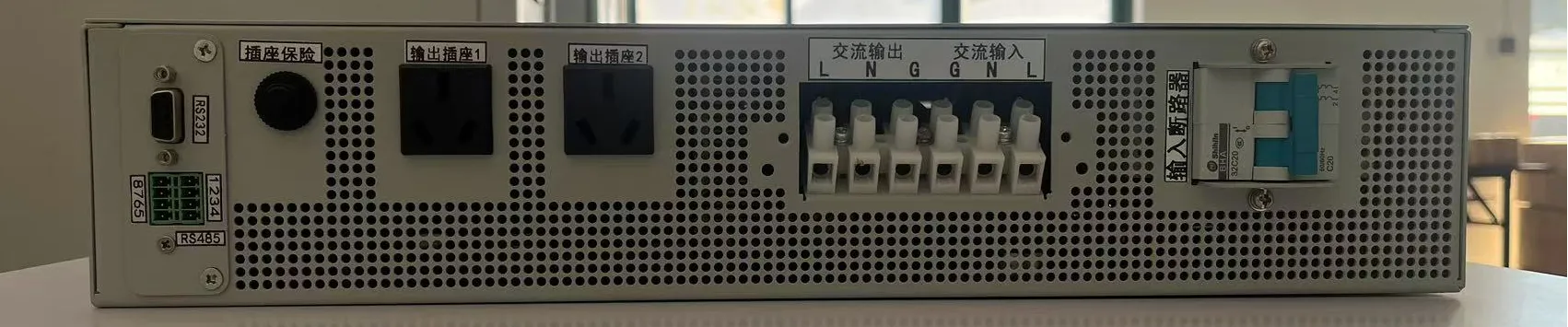
Manufacturing plants face numerous operational challenges, but perhaps none more critical than maintaining consistent electrical power supply. Power interruptions can halt production lines, damage sensitive equipment, and result in significant financial losses. An AC power source serves as a crucial safeguard against these risks, providing reliable backup power when the main electrical grid fails or experiences fluctuations. Modern manufacturing facilities increasingly rely on sophisticated AC power source systems to ensure uninterrupted operations and protect valuable machinery from voltage irregularities.
Understanding Power Outage Risks in Manufacturing Environments
Financial Impact of Production Downtime
Power outages in manufacturing plants create immediate and long-term financial consequences that extend far beyond the duration of the electrical interruption. When production lines stop unexpectedly, manufacturers face direct losses from halted output, missed delivery deadlines, and potential contract penalties. The cost per minute of downtime varies significantly across industries, with automotive and electronics manufacturing experiencing some of the highest losses. An effective AC power source can prevent these costly interruptions by providing seamless power transition during grid failures.
Beyond immediate production losses, power outages often result in damaged work-in-progress materials, requiring complete restart of manufacturing processes. Quality control systems may reset, causing additional delays as equipment recalibration becomes necessary. Labor costs continue during downtime periods, while productivity metrics suffer from extended recovery times. Strategic implementation of an AC power source system helps manufacturers avoid these cascading financial impacts by maintaining consistent power delivery to critical systems.
Equipment Damage and Safety Concerns
Sudden power loss or voltage fluctuations pose serious threats to expensive manufacturing equipment, particularly sensitive electronics and precision machinery. Motors, drives, and control systems can suffer permanent damage when power restoration occurs without proper voltage regulation. An AC power source provides controlled power delivery that protects equipment during both outages and power restoration phases. This protection extends equipment lifespan and reduces unexpected maintenance costs that often follow power disruptions.
Safety considerations become paramount when power outages affect manufacturing plants, especially those handling hazardous materials or operating high-temperature processes. Emergency lighting, ventilation systems, and safety monitoring equipment require continuous power to maintain safe working conditions. A reliable AC power source ensures these critical safety systems remain operational during grid failures, protecting workers and preventing environmental incidents that could result from uncontrolled shutdowns.
Types and Technologies of AC Power Source Solutions
Uninterruptible Power Supply Systems
Uninterruptible Power Supply systems represent the most common form of AC power source protection for manufacturing facilities. These systems provide immediate backup power through battery banks or flywheel energy storage, offering seamless transition during power interruptions. UPS systems typically provide power for minutes to hours, depending on load requirements and battery capacity. Modern UPS technology includes advanced monitoring capabilities that track power quality, battery health, and system performance to ensure optimal AC power source reliability.
Double-conversion UPS systems offer the highest level of power protection by continuously converting incoming AC power to DC and back to AC, effectively isolating connected equipment from grid disturbances. This technology ensures that an AC power source maintains consistent voltage and frequency regardless of input power quality. Line-interactive UPS systems provide cost-effective protection for less critical applications while still offering voltage regulation and backup power capabilities during outages.
Generator-Based Backup Systems
Standby generators serve as long-term AC power source solutions for manufacturing plants requiring extended backup power capability. Diesel, natural gas, and propane generators can provide continuous power for days or weeks during prolonged outages. Automatic transfer switches detect power failures and start generator systems within seconds, though brief interruptions may occur during the transition period. Integration with UPS systems creates comprehensive AC power source protection that covers both immediate response and long-term backup requirements.
Modern generator systems incorporate sophisticated control systems that monitor fuel levels, engine parameters, and power output quality. Load bank testing ensures generators can handle full facility loads when needed, while remote monitoring capabilities allow facility managers to track AC power source system status from anywhere. Maintenance scheduling and fuel management become critical factors in maintaining generator reliability as a backup AC power source for manufacturing operations.
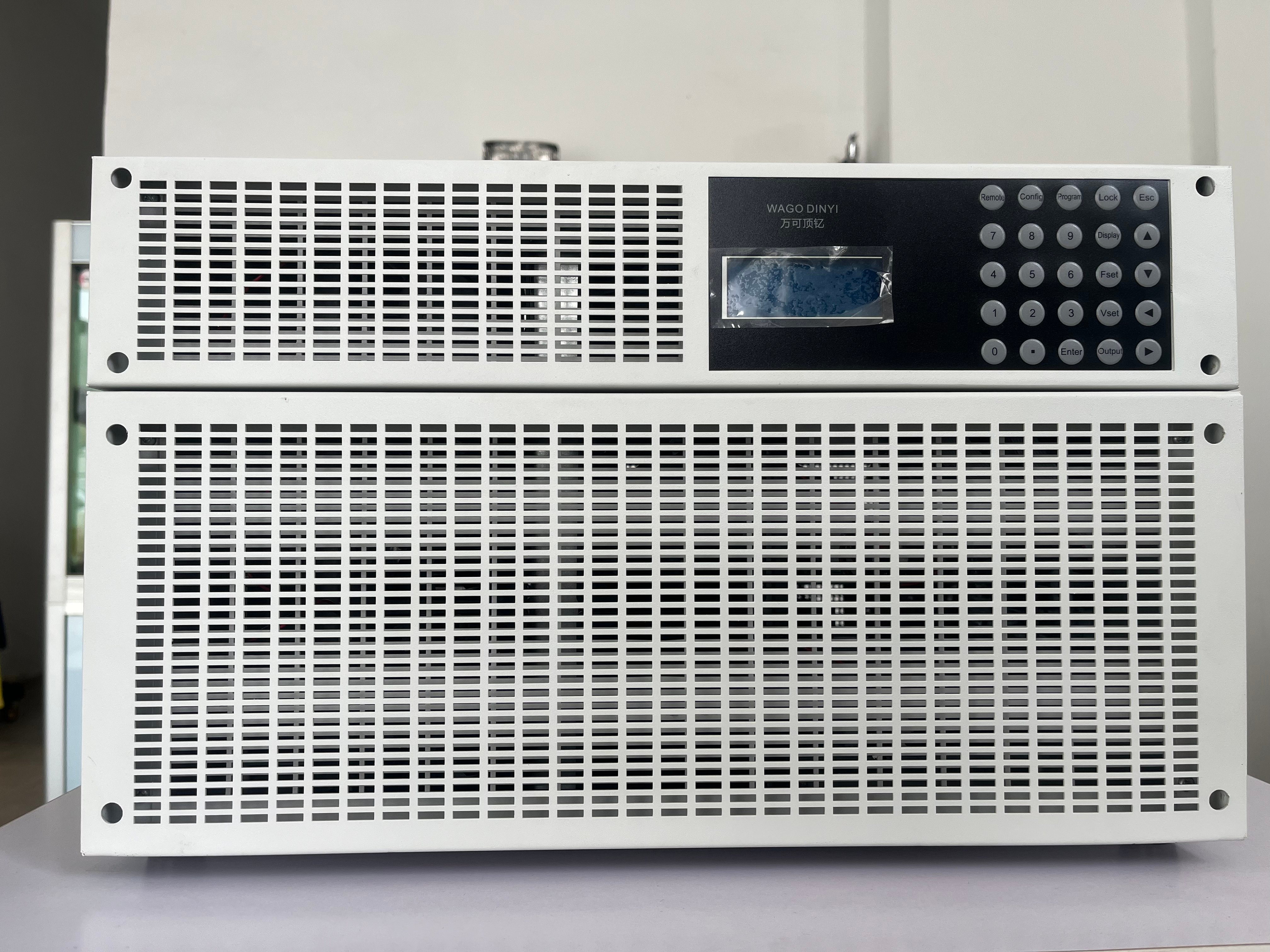
Implementation Strategies for Manufacturing Plants
Load Assessment and Power Requirements
Successful AC power source implementation begins with comprehensive load assessment to determine actual power requirements during different operating conditions. Manufacturing facilities must identify critical loads that require continuous power versus non-essential systems that can safely shut down during outages. This analysis helps size the appropriate AC power source capacity while optimizing costs and system complexity.
Power quality requirements vary significantly across different manufacturing processes, with some applications demanding precise voltage regulation and frequency control. Motor drives, computerized equipment, and precision instruments require clean power to function properly, making power conditioning features essential components of an effective AC power source system. Load profiling helps identify peak demand periods and power factor characteristics that influence AC power source sizing and configuration decisions.
System Integration and Redundancy
Effective AC power source systems require careful integration with existing electrical infrastructure to ensure seamless operation and maximum reliability. Redundant AC power source configurations provide additional protection against single points of failure, though they require higher initial investment. Parallel UPS systems, multiple generators, or hybrid solutions combining different technologies can create robust backup power architectures that maintain operations even when individual components fail.
Control system integration allows AC power source systems to communicate with building management systems, providing centralized monitoring and control capabilities. This integration enables automated load shedding during extended outages, prioritizing power delivery to the most critical manufacturing processes. Regular testing and maintenance protocols ensure AC power source systems remain ready for emergency operation while minimizing false alarms and unnecessary system activations.
Benefits and ROI of AC Power Source Investment
Productivity and Operational Continuity
The primary benefit of investing in a reliable AC power source system lies in maintaining uninterrupted manufacturing operations despite grid power instability. Production continuity directly translates to revenue protection, customer satisfaction, and competitive advantage in markets where delivery reliability matters. An effective AC power source eliminates the uncertainty associated with power outages, allowing manufacturers to commit to aggressive production schedules and delivery timelines with confidence.
Quality consistency represents another significant advantage of AC power source implementation, as voltage fluctuations and power interruptions can compromise product quality in sensitive manufacturing processes. Consistent power delivery ensures that temperature controls, pressure systems, and precision equipment maintain their settings throughout production runs. This reliability reduces waste, rework, and quality control issues that commonly follow power disturbances in manufacturing environments.
Long-Term Cost Savings
While AC power source systems require substantial initial investment, the long-term cost savings often justify the expenditure through reduced downtime costs and equipment protection benefits. Insurance premiums may decrease when facilities demonstrate robust backup power capabilities, as insurers recognize the reduced risk of business interruption claims. Energy efficiency improvements in modern AC power source technology can also reduce operational costs while providing superior protection compared to older backup power solutions.
Predictive maintenance capabilities in advanced AC power source systems help optimize maintenance schedules and extend equipment life across the entire manufacturing facility. By preventing unexpected failures and reducing stress on electrical equipment, these systems contribute to lower overall maintenance costs and improved asset utilization. The ability to maintain operations during planned utility maintenance windows provides additional operational flexibility that translates to increased productivity and revenue opportunities.
Maintenance and Monitoring Best Practices
Preventive Maintenance Programs
Effective AC power source reliability depends heavily on comprehensive preventive maintenance programs that address batteries, generators, transfer switches, and control systems. Battery maintenance requires regular capacity testing, terminal cleaning, and electrolyte level monitoring to ensure reliable backup power delivery when needed. Generator maintenance includes oil changes, fuel system cleaning, and load testing to verify the AC power source can handle full facility loads during extended outages.
Documentation and maintenance scheduling become critical components of AC power source management, as missed maintenance intervals can compromise system reliability when backup power is most needed. Manufacturer recommendations provide baseline maintenance requirements, but local environmental conditions and usage patterns may necessitate more frequent service intervals. Professional maintenance contractors specializing in AC power source systems often provide comprehensive service programs that ensure optimal system performance and compliance with warranty requirements.
Remote Monitoring and Alert Systems
Modern AC power source systems incorporate sophisticated monitoring capabilities that track performance parameters, fault conditions, and maintenance requirements in real-time. Remote monitoring allows facility managers to assess AC power source status from anywhere, receiving immediate alerts about power outages, system faults, or maintenance needs. These capabilities enable proactive responses to potential issues before they compromise backup power availability during critical periods.
Data logging and trending analysis help identify patterns that may indicate developing problems with AC power source components or changing load characteristics within the manufacturing facility. Historical data supports optimization efforts and helps justify system upgrades or capacity expansion as manufacturing operations evolve. Integration with enterprise management systems provides visibility into power system performance as part of overall facility operations monitoring and reporting.
FAQ
How long can an AC power source maintain manufacturing operations during an outage
The duration an AC power source can maintain manufacturing operations depends on the type of system installed and the connected load requirements. UPS systems typically provide power for 5-30 minutes using battery backup, which is sufficient for brief outages or safe shutdown procedures. Generator-based AC power source systems can operate for days or weeks with adequate fuel supply, making them suitable for extended outages. Hybrid systems combining UPS and generators provide both immediate response and long-term backup capabilities for comprehensive power protection.
What size AC power source is needed for a typical manufacturing plant
AC power source sizing depends on the critical load requirements during power outages, which varies significantly based on manufacturing processes and facility size. A typical small manufacturing facility might require 50-200 kVA capacity, while large industrial plants may need several megawatts of backup power. Load assessment should consider essential equipment only, as non-critical systems like office lighting and air conditioning can be temporarily shut down. Professional load analysis helps determine optimal AC power source capacity while balancing protection needs with cost considerations.
Can an AC power source improve power quality for sensitive manufacturing equipment
Yes, many AC power source systems provide power conditioning features that improve voltage regulation, frequency stability, and harmonic distortion compared to utility power. Double-conversion UPS systems completely reconstruct the AC waveform, providing clean power regardless of input quality. This improvement protects sensitive equipment from voltage sags, surges, and transients that commonly occur on utility power systems. Manufacturing processes requiring precise power quality often benefit significantly from AC power source systems even during normal utility operation.
What maintenance is required for AC power source systems in manufacturing plants
AC power source maintenance requirements vary by technology but generally include battery testing and replacement, generator engine service, fuel system maintenance, and control system calibration. UPS batteries typically require replacement every 3-5 years, while generators need regular oil changes, filter replacements, and load testing. Monthly or quarterly testing ensures the AC power source system operates properly when needed. Professional maintenance contracts often provide comprehensive service including emergency repairs, which is recommended for critical manufacturing applications where backup power reliability is essential.
Table of Contents
- Understanding Power Outage Risks in Manufacturing Environments
- Types and Technologies of AC Power Source Solutions
- Implementation Strategies for Manufacturing Plants
- Benefits and ROI of AC Power Source Investment
- Maintenance and Monitoring Best Practices
-
FAQ
- How long can an AC power source maintain manufacturing operations during an outage
- What size AC power source is needed for a typical manufacturing plant
- Can an AC power source improve power quality for sensitive manufacturing equipment
- What maintenance is required for AC power source systems in manufacturing plants

