
 EN
EN
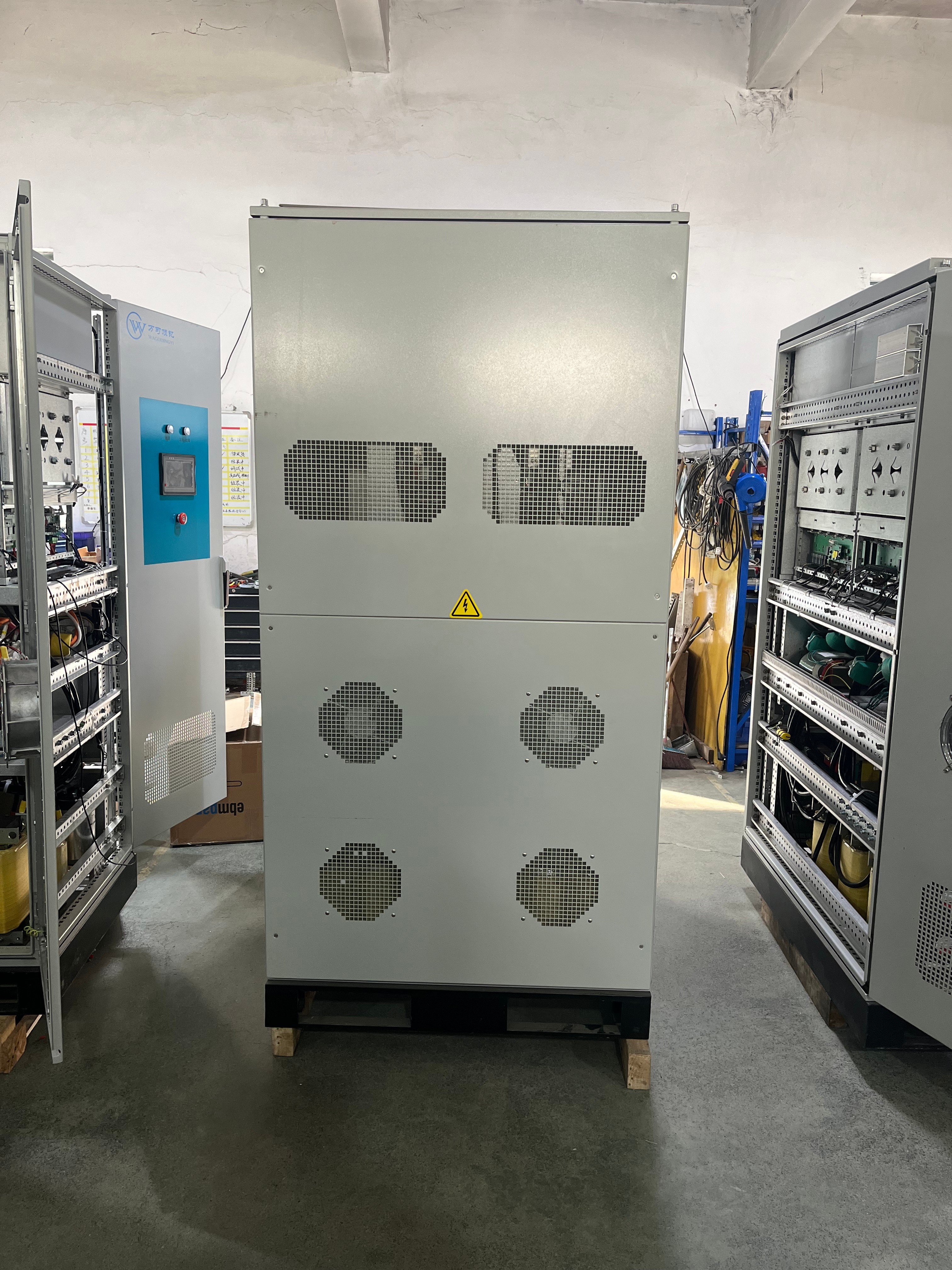
ສະຖານທີ່ຜະລິດທີ່ຢູ່ທົ່ວໂລກ ກຳລັງເປີດເຜີຍຄວາມກົດດັນທີ່ເພີ່ມຂຶ້ນເພື່ອຍົກສູງການຄວບຄຸມຄຸນນະພາບ ໃນເວລາທີ່ຮັກສາຕົວແທນການຜະລິດທີ່ມີປະສິດທິພາບດ້ານຕົ້ນທຶນ. ແຖວການຜະລິດທີ່ທັນສະໄໝຕ້ອງການອຸປະກອນການທົດສອບທີ່ຊັ້ນສູງ ເຊິ່ງສາມາດປັບຕົວເຂົ້າກັບຄວາມຕ້ອງການດ້ານໄຟຟ້າທີ່ແຕກຕ່າງກັນໃນຜະລິດຕະພັນຫຼາຍຮູບແບບ. ແຫຼ່ງຈ່າຍພະລັງງານທີ່ສາມາດເຂີຍໂປຣແກຣມໄດ້ ພະລັງງານ DC ໄດ້ເກີດຂຶ້ນເປັນເຄື່ອງມືທີ່ຈຳເປັນ ເຊິ່ງປ່ຽນແປງວິທີທີ່ຜູ້ຜະລິດເຂົ້າໃຈເຖິງຂະບວນການທົດສອບດ້ານໄຟຟ້າ. ລະບົບທີ່ທັນສະໄໝເຫຼົ່ານີ້ມີຄວາມສາມາດໃນການຄວບຄຸມຄ່າຄວາມຕ້ານທາງໄຟຟ້າ ແລະ ຄ່າປະຈຸບັນຢ່າງແນ່ນອນ ເຊິ່ງເຮັດໃຫ້ສາມາດທົດສອບຢ່າງລະອອງຕໍ່ອຸປະກອນເອເລັກໂທຣນິກໃນຂະບວນການຜະລິດ. ການນຳໃຊ້ແຫຼ່ງຈ່າຍພະລັງງານ DC ທີ່ສາມາດເຂີຍໂປຣແກຣມໄດ້ ໄດ້ປ່ຽນແປງວິທີທີ່ທົດສອບແບບດັ້ງເດີມ ໂດຍໃຫ້ຄວາມຫຼາກຫຼາຍ ແລະ ຄວາມຖືກຕ້ອງທີ່ບໍ່ເຄີຍມີມາກ່ອນໃນລະບົບການຈ່າຍພະລັງງານ.
ຄວາມສາມາດໃນການທົດສອບທີ່ທັນສະໄໝຜ່ານການຄວບຄຸມພະລັງງານທີ່ສາມາດເຂີຍໂປຣແກຣມໄດ້
ການຄວບຄຸມຄ່າຄວາມຕ້ານທາງໄຟຟ້າ ແລະ ຄ່າປະຈຸບັນຢ່າງແນ່ນອນ
ການທົດສອບເສັ້ນທາງການຜະລິດຕ້ອງການຄວາມຖືກຕ້ອງຢ່າງຍິ່ງໃນການຈັດສົ່ງພະລັງງານເພື່ອຮັບປະກັນການຢືນຢັນຜະລິດຕະພັນທີ່ເຊື່ອຖືໄດ້. ແຫຼ່ງຈ່າຍພະລັງງານ DC ທີ່ສາມາດໂປຼແກຣມໄດ້ຈະສະຫຼາດຄ່າຄວາມຕີ່ນເຄື່ອນໄດ້ຢ່າງແນ່ນອນ ໂດຍມີຄວາມລະອຽດທີ່ສາມາດເຂົ້າເຖິງລະດັບມີລີວົλດ (millivolt). ຄວາມຖືກຕ້ອງນີ້ຊ່ວຍໃຫ້ຜູ້ຜະລິດສາມາດຈຳລອງສະພາບການໃຊ້ງານທີ່ແທ້ຈິງທີ່ອຸປະກອນໄຟຟ້າຈະປະເຊີນໃນການນຳໃຊ້ຈິງ. ຄຸນສົມບັດການຈຳກັດປະຈຸໄຟຂັ້ນສູງຈະປ້ອງກັນທັງອຸປະກອນທີ່ໃຊ້ທົດສອບ ແລະ ອຸປະກອນທີ່ຢູ່ໃຕ້ການທົດສອບຈາກຄວາມເສຍຫາຍທີ່ອາດເກີດຂຶ້ນໃນລຳດັບການທົດສອບອັດຕະໂນມັດ.
ສາຍຈ່າຍໄຟຟ້າ DC ທີ່ທັນສະໄໝ ແລະ ສາມາດເຂົ້າໂປຼແກມໄດ້ ປະກອບດ້ວຍລະບົບຄວບຄຸມການຕອບສະຫນອງທີ່ຊັບຊ້ອນ ເຊິ່ງຮັກສາຄ່າອັດຕາຜົນໄດ້ຮັບທີ່ຄົງທີ່ ໂດຍບໍ່ຄຳນຶງເຖິງການປ່ຽນແປງຂອງພາລະບັນທຸກ. ລະບົບເຫຼົ່ານີ້ໃຊ້ຕົວປ່ຽນຈາກສັນຍານອານາລອກເປັນດິຈິຕອລໆທີ່ມີຄວາມໄວສູງ ແລະ ຕົວປຸງປະມວນສັນຍານດິຈິຕອລໆ (DSP) ເພື່ອຕິດຕາມ ແລະ ປັບປຸງຄຸນລັກສະນະຜົນໄດ້ຮັບຢ່າງຕໍ່ເນື່ອງ. ຄວາມຄົງທີ່ທີ່ໄດ້ຮັບຈາກສິ່ງນີ້ ຮັບປະກັນເງື່ອນໄຂການທົດສອບທີ່ສອດຄ່ອງກັນໃນລະຫວ່າງການຜະລິດຢ່າງຕໍ່ເນື່ອງ, ໂດຍການຂັບອອກຕົວແປທັງໝົດທີ່ອາດຈະເຮັດໃຫ້ຂະບວນການຮັບປະກັນຄຸນນະພາບເສຍຫາຍ.
ສະຖາປັດຕະຍາການທົດສອບຫຼາຍຊ່ອງ
ສະພາບແວດລ້ອມການຜະລິດທີ່ທັນສະໄໝ ໃນປັດຈຸບັນ ແມ່ນມັກຈະຕ້ອງການການທົດສອບອຸປະກອນຫຼາຍຊິ້ນໃນເວລາດຽວກັນ ຫຼື ຊ່ອງໄຟຟ້າທີ່ແຕກຕ່າງກັນພາຍໃນຜະລິດຕະພັນດຽວ. ສາຍຈ່າຍໄຟຟ້າ DC ທີ່ສາມາດເຂົ້າໂປຼແກມໄດ້ ແກ້ໄຂຄວາມຕ້ອງການເຫຼົ່ານີ້ ຜ່ານສະຖາປັດຕະຍາການຫຼາຍຊ່ອງ ເຊິ່ງໃຫ້ການຄວບຄຸມຢ່າງເອກະລາດຕໍ່ຜົນໄດ້ຮັບໄຟຟ້າແຕ່ລະຊ່ອງ. ຊ່ອງແຕ່ລະຊ່ອງຮັກສາຈຸດອ້າງອີງດິນ (ground reference) ທີ່ແຍກຕ່າງหาก ແລະ ມີຄຸນລັກສະນະຜົນໄດ້ຮັບທີ່ສາມາດຕັ້ງຄ່າໄດ້, ເຮັດໃຫ້ສາມາດຈັດຕັ້ງການທົດສອບທີ່ຊັບຊ້ອນໄດ້ໂດຍບໍ່ມີການຮີດິນກັນລະຫວ່າງຊ່ອງ.
ວິທີການຫຼາຍຊ່ອງທາງນີ້ຊ່ວຍຫຼຸດເວລາການທົດສອບລົງຢ່າງມີນັກສຳຄັນ ໂດຍການເປີດໃຫ້ມີການທົດສອບຢ່າງເປັນລຳດັບຄູ່. ວິສະວະກອນຜະລິດຕະພັນສາມາດຕັ້ງຄ່າຊ່ອງທາງຕ່າງໆເພື່ອຈັດຫາລະດັບຄ່າຄວາມຕ້ານທີ່ແຕກຕ່າງກັນ ເຊິ່ງຈຳເປັນສຳລັບການປະກອບອຸປະກອນໄຟຟ້າທີ່ສັບສົນ. ຄວາມສາມາດນີ້ເປັນທີ່ມີຄຸນຄ່າຢ່າງເປັນພິເສດເມື່ອທົດສອບອຸປະກອນທີ່ມີຫຼາຍເຂດພະລັງງານ, ເຊັ່ນ: ຈຸດເຊື່ອມສັນຍານປະສົມ (mixed-signal circuits) ທີ່ຕ້ອງການທັງຄ່າຄວາມຕ້ານສຳລັບສັນຍານແອນາລອກ (analog) ແລະ ສຳລັບສັນຍານດິຈິຕອນ (digital).
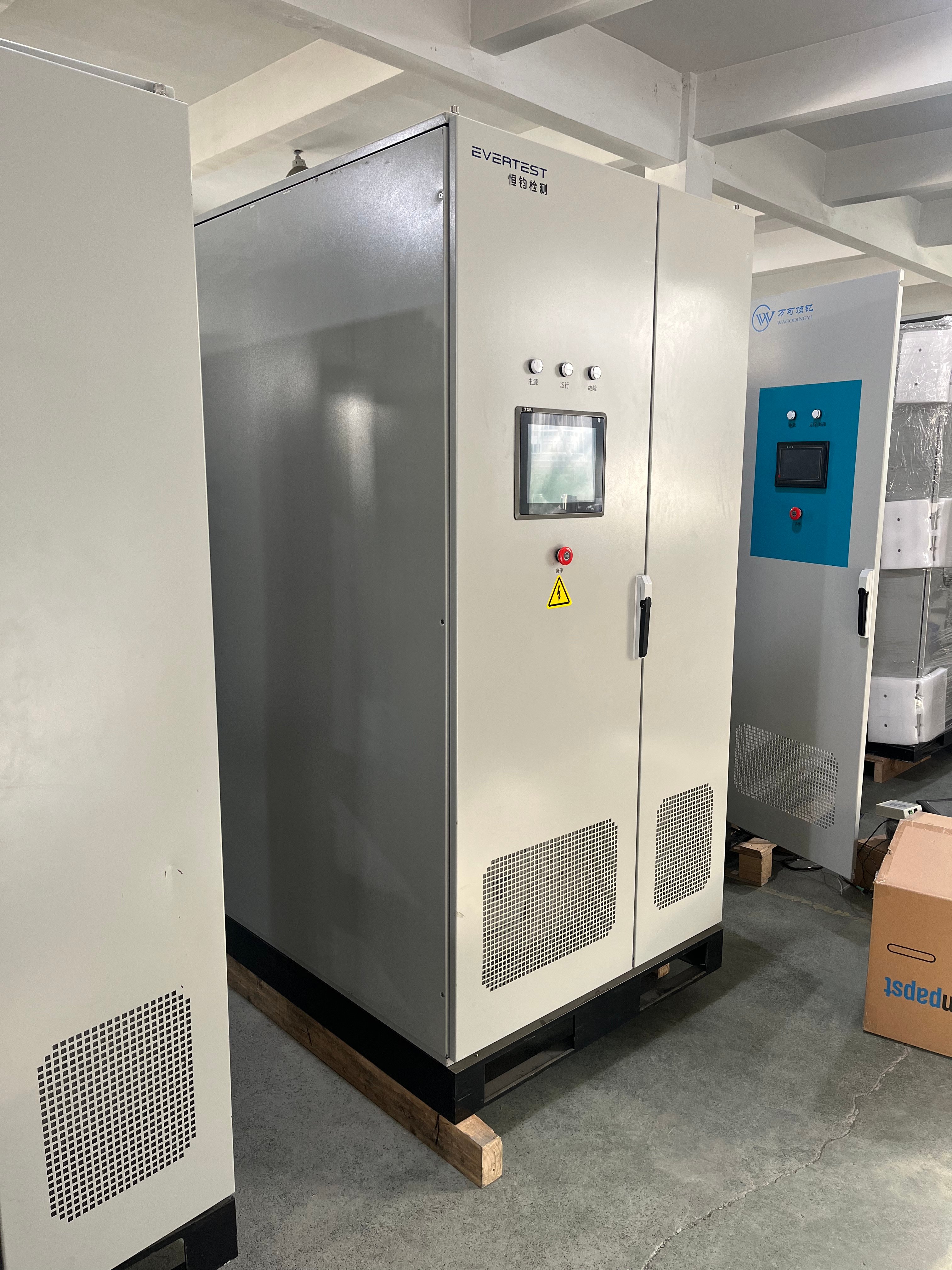
ການບູລະນາການການທົດສອບອັດຕະໂນມັດ ແລະ ການພັດທະນາໂປຣໂຕຄອນ
ອິນເຕີເຟດຊອບແວ ແລະ ການຄວບຄຸມໄລຍະໄກ
ການບູລະນາການເຂົ້າກັບອຸປະກອນທົດສອບອັດຕະໂນມັດ ແມ່ນຂໍ້ດີທີ່ສຳຄັນຢ່າງໜຶ່ງຂອງແຫຼ່ງຈ່າຍພະລັງງານ DC ທີ່ສາມາດໂປຣແກຣມໄດ້ໃນສະພາບແວດລ້ອມການຜະລິດ. ເຄື່ອງມືເຫຼົ່ານີ້ມັກຈະມີອິນເຕີເຟດຊອບແວທີ່ຮອງຮັບໂປຣໂຕຄອນການສື່ສານຫຼາຍຮູບແບບ ເຊັ່ນ: ການເຊື່ອມຕໍ່ USB, Ethernet, ແລະ RS-232. ວິສະວະກອນຜະລິດຕະພັນສາມາດພັດທະນາລຳດັບການທົດສອບອັດຕະໂນມັດ ເຊິ່ງຄວບຄຸມພາລາມິເຕີຂອງແຫຼ່ງຈ່າຍພະລັງງານຢ່າງຖືກຕ້ອງ ແລະ ສາມາດຮ່ວມມືກັບອຸປະກອນທົດສອບອື່ນໆຜ່ານໂຄງສ້າງຄຳສັ່ງທີ່ມາດຕະຖານ.
ສາຍຈ່າຍໄຟຟ້າ DC ທີ່ສາມາດໂປຼແກຣມໄດ້ຂັ້ນສູງ ໃຫ້ຊຸດເຄື່ອງມືພັດທະນາຊອບແວທີ່ເຂົ້າໃຈງ່າຍ ເຊິ່ງຊ່ວຍໃຫ້ການບູລະນາການເຂົ້າກັບລະບົບອັດຕະໂນມັດການທົດສອບທີ່ມີຢູ່ແລ້ວເປັນໄປຢ່າງງ່າຍດາຍ. ເຄື່ອງມືເຫຼົ່ານີ້ເຮັດໃຫ້ການພັດທະນາຂະບວນການທົດສອບທີ່ປັບແຕ່ງເປັນພິເສດເກີດຂຶ້ນໄດ້ຢ່າງໄວວາ ໂດຍຍັງຮັກສາຄວາມເຂົ້າກັນໄດ້ກັບເວທີຊອບແວລະບົບການຈັດການການທົດສອບທີ່ເປັນມາດຕະຖານຂອງອຸດສາຫະກຳ. ຄວາມສາມາດດ້ານອັດຕະໂນມັດທີ່ໄດ້ຮັບຈາກການນີ້ ສາມາດຫຼຸດຜ່ອນຄວາມຕ້ອງການການເຂົ້າໄປເກີ່ยวຂ້ອງຂອງມະນຸດ ແລະ ປັບປຸງຄວາມຖືກຕ້ອງຂອງການທົດສອບຊ້ຳຄືນ ແລະ ຄວາມຖືກຕ້ອງຂອງເອກະສານ.
ການໂປຼແກຣມລຳດັບ ແລະ ການຄວບຄຸມເວລາ
ເຄື່ອງທົດສອບທີ່ສັບສົນມັກຈະຕ້ອງການລຳດັບທີ່ເປັນເອກະລັກສຳລັບການເປີດ-ປິດໄຟຟ້າເພື່ອປະເມີນຜົນການເຮັດວຽກຂອງອຸປະກອນຢ່າງຖືກຕ້ອງ. ສາຍຈ່າຍໄຟຟ້າ DC ທີ່ສາມາດໂປຼແກຣມໄດ້ມີຄວາມເດັ່ນໃນການນີ້ ໂດຍມີຄວາມສາມາດໃນການໂປຼແກຣມລຳດັບທີ່ມີຢູ່ໃນໂຕເຄື່ອງ ເຊິ່ງຈະປະຕິບັດຮູບແບບເວລາທີ່ໄດ້ກຳນົດໄວ້ລ່ວງໆ. ວິສະວະກອນສາມາດກຳນົດອັດຕາການເພີ່ມຂອງຄ່າຄວາມຕ້ານ, ເວລາທີ່ໃຊ້ໃນການຄ້າງຕົວ (settling times), ແລະ ເວລາທີ່ຄົງທີ່ (hold periods) ເພື່ອຈຳລອງສະພາບການໃຊ້ງານທີ່ຕັ້ງໃຈໄວ້ຢ່າງຖືກຕ້ອງ.
ຄຸນສົມບັດການຂຽນລະບົບຕາມລຳດັບເຮັດໃຫ້ສາມາດຈັດຕັ້ງປະຕິບັດໂປຣແກຣມການທົດສອບຄວາມເຄັ່ງຕຶງທີ່ສັບສົນ ເຊິ່ງປະເມີນຜົນການປະຕິບັດຂອງອຸປະກອນໃຕ້ສະພາບການປ່ຽນແປງໄຟຟ້າຕ່າງໆ ຄວາມສາມາດເຫຼົ່ານີ້ມີຄວາມສຳຄັນຢ່າງຍິ່ງໃນການຢືນຢັນຄວາມເຊື່ອຖືໄດ້ຂອງຜະລິດຕະພັນ ແລະ ການກຳນົດຮູບແບບການລົ້ມເຫຼວທີ່ອາດເກີດຂຶ້ນກ່ອນທີ່ອຸປະກອນຈະເຂົ້າເຖິງລູກຄ້າໃນທີ່ສຸດ ທີມງານຜະລິດສາມາດຈັດຕັ້ງປະຕິບັດຂະບວນການເຮັດໃຫ້ຮ້ອນ (burn-in) ແລະ ການທົດສອບອາຍຸທີ່ເລື່ອນໄປຂ້າງໆ (accelerated aging tests) ໂດຍໃຊ້ແຫຼ່ງຈ່າຍພະລັງງານ DC ທີ່ສາມາດຂຽນລະບົບໄດ້ເປັນພື້ນຖານສຳລັບການຢືນຢັນຄວາມເຊື່ອຖືໄດ້ຢ່າງເຕັມຮູບແບບ
ການຍົກສູງການຮັບປະກັນຄຸນນະພາບຜ່ານການເກັບຂໍ້ມູນ
ການຕິດຕາມ ແລະ ວັດແທກແບບທັນທີ
ການຄວບຄຸມຄຸນນະພາບຢ່າງມີປະສິດທິພາບຕ້ອງການການເກັບຂໍ້ມູນຢ່າງເຕັມຮູບແບບໃນຂະນະທີ່ດຳເນີນການທົດສອບ ເພື່ອກຳນົດແນວໂນ້ມ ແລະ ບັນຫາທີ່ອາດເກີດຂຶ້ນກ່ອນທີ່ຈະສົ່ງຜົນຕໍ່ອັດຕາຜະລິດ ແຫຼ່ງຈ່າຍພະລັງງານ DC ທີ່ສາມາດຂຽນລະບົບໄດ້ມີຄຸນສົມບັດການວັດແທກທີ່ທັນສະໄໝ ເຊິ່ງຕິດຕາມຢ່າງຕໍ່ເນື່ອງເຖິງຄ່າຄວາມຕ້ານ, ຄ່າປະຈຸບັນ ແລະ ຄ່າການບໍລິໂພກພະລັງງານ ການວັດແທກເຫຼົ່ານີ້ໃຫ້ຂໍ້ມູນທີ່ມີຄຸນຄ່າຕໍ່ການເຂົ້າໃຈປະຕິບັດການຂອງອຸປະກອນໃຕ້ສະພາບການໃຊ້ງານທີ່ແຕກຕ່າງກັນ
ຄວາມສາມາດໃນການຕິດຕາມແບບທັນທີທັນໃດ ໃຫ້ເກີດການປະກາດຢ່າງທັນທີທັນໃດຕໍ່ພຶດຕິກຳທີ່ຜິດປົກກະຕິໃນระหว່າງຂະບວນການທົດສອບ. ພະນັກງານຜະລິດສາມາດກຳນົດຊ່ວງຄ່າທີ່ຍອມຮັບໄດ້ ແລະ ຕັ້ງຄ່າເງື່ອນໄຂຂອງການເຕືອນ ເຊິ່ງຈະເຮັດໃຫ້ອຸປະກອນທີ່ມີລັກສະນະທີ່ຢູ່ນອກຈາກຄ່າທີ່ກຳນົດໄວ້ຖືກເຕືອນອັດຕະໂນມັດ. ວິທີການທີ່ເປັນການເຮັດກ່ອນນີ້ຊ່ວຍປ້ອງກັນບໍ່ໃຫ້ຫນ່ວຍທີ່ບໍ່ດີເຂົ້າໄປໃນຂະບວນການຜະລິດຂັ້ນຕໍ່ໄປ ແລະ ລົດຕົ້ນທຶນການຜະລິດທັງໝົດ.
ການເຊື່ອມໂຍງການຄວບຄຸມຂະບວນການທາງສະຖິຕິ
ລະບົບການຈັດການຄຸນນະພາບທີ່ທັນສະໄໝ ພິງພາໃສ່ການວິເຄາະທາງສະຖິຕິຢ່າງຫຼວງຫຼາຍເພື່ອຮັກສາຄຸນນະພາບການຜະລິດທີ່ສອດຄ່ອງກັນ. ແຫຼ່ງຈ່າຍພະລັງງານ DC ທີ່ສາມາດຕັ້ງຄ່າໄດ້ ມີສ່ວນຮ່ວມໃນການສະເໜີສາຍຂໍ້ມູນທີ່ມີຄຸນຄ່າ ເຊິ່ງສາມາດເຊື່ອມຕໍ່ເຂົ້າກັບລະບົບຄວບຄຸມຂະບວນການດ້ານສະຖິຕິໄດ້ຢ່າງລຽບງ່າຍ. ຂໍ້ມູນການວັດແທກທີ່ຄົບຖ້ວນເຮັດໃຫ້ສາມາດວິເຄາະແນວໂນ້ມການຜະລິດຢ່າງລະອຽດ ແລະ ຊ່ວຍຄົ້ນພົບຄວາມແຕກຕ່າງທີ່ເກີດຂຶ້ນຢ່າງເປັນລະບົບ ເຊິ່ງອາດຈະເປັນສັນຍານຂອງການເລື່ອນຂອງອຸປະກອນ ຫຼື ການປ່ຽນແປງຂອງຂະບວນການ.
ວິສະວະກອນດ້ານການຜະລິດສາມາດຈັດຕັ້ງບໍລະດົມຄວາມຄຸມຄຸນນະພາບ (control charts) ແລະ ການສຶກສາຄວາມສາມາດຂອງຂະບວນການ (capability studies) ໂດຍໃຊ້ຂໍ້ມູນທີ່ເກັບໄດ້ຈາກແຫຼ່ງຈ່າຍພະລັງງານ DC ທີ່ສາມາດໂປຼແກຣມໄດ້ ໃນระหว່າງການທົດສອບປົກກະຕິ. ເຄື່ອງມືທາງສະຖິຕິເຫຼົ່ານີ້ໃຫ້ສັນຍານເຕືອນລ່ວງໆ ກ່ຽວກັບບັນຫາຄຸນນະພາບທີ່ອາດເກີດຂຶ້ນ ແລະ ຍັງບັນທຶກຄວາມສະຖຽນຂອງຂະບວນການໄວ້ເປັນເວລາດົນນານ. ຂໍ້ມູນທີ່ໄດ້ຮັບຈາກການທົດສອບເຫຼົ່ານີ້ຖືກເກັບຮັກສາໄວ້ເພື່ອສະໜັບສະໜູນການປັບປຸງຢ່າງຕໍ່ເນື່ອງ ແລະ ສອດຄ່ອງຕາມຂໍ້ກຳນົດດ້ານການຄຸມຄຸມຂອງອົງການທີ່ກ່ຽວຂ້ອງ.
ປະສິດທິພາບດ້ານຕົ້ນທຶນ ແລະ ຜົນຕອບແທນການລົງທຶນ
ຫຼຸດເວລາການທົດສອບ ແລະ ຄ່າໃຊ້ຈ່າຍດ້ານແຮງງານ
ການນຳໃຊ້ແຫຼ່ງຈ່າຍພະລັງງານ DC ທີ່ສາມາດໂປຼແກຣມໄດ້ ຊ່ວຍຫຼຸດເວລາການທົດສອບໄດ້ຢ່າງມີນັກ ເມື່ອທຽບກັບການປັບແຕ່ງແລະວັດແທກແຫຼ່ງຈ່າຍພະລັງງານດ້ວຍມື. ລຳດັບການທົດສອບທີ່ເຮັດອັດຕະໂນມັດຈະເຮັດໃຫ້ບໍ່ຈຳເປັນຕ້ອງມີການເຂົ້າໄປເກີ່ยวຂ້ອງຂອງເຈົ້າໜ້າທີ່ໃນຂະນະທີ່ດຳເນີນການທົດສອບຢືນຢັນປົກກະຕິ, ເຊິ່ງເຮັດໃຫ້ບຸກຄະລາກອນທີ່ມີທັກສະສາມາດເຮັດວຽກທີ່ມີຄຸນຄ່າສູງຂຶ້ນ. ເວລາທີ່ຖືກຫຼຸດລົງຈະເພີ່ມຂຶ້ນຢ່າງຫຼາຍໃນສະຖານທີ່ຜະລິດທີ່ມີປະລິມານສູງ ໂດຍທີ່ມີການທົດສອບຫຼາຍຮ້ອຍ ຫຼື ຫຼາຍພັນໆ ໂອ້ການຕໍ່ມື້.
ການຫຼຸດຜ່ອນຕົ້ນທຶນແຮງງານຂະຫຍາຍອອກໄປເຖິງກິດຈະກຳການທົດສອບໂດຍກົງ ແລະ ລວມເຖິງການຫຼຸດຜ່ອນຄວາມຕ້ອງການໃນການຝຶກອົບຮົມ ແລະ ການຫຼຸດຜ່ອນຄວາມເປັນໄປໄດ້ຂອງຂໍ້ຜິດພາດທີ່ເກີດຈາກມະນຸດ. ວິທີການທົດສອບອັດຕະໂນມັດທີ່ໃຊ້ແຮງດັນ DC ທີ່ສາມາດເຂົ້າຕັ້ງຄ່າໄດ້ ສາມາດຮັບປະກັນສະພາບການທົດສອບທີ່ສອດຄ່ອງກັນຢ່າງເຕັມທີ່ ໂດຍບໍ່ຂຶ້ນກັບລະດັບປະສົບການຂອງຜູ້ປະຕິບັດການ. ການມາດຕະຖານນີ້ເຮັດໃຫ້ຄວາມເຊື່ອຖືໄດ້ທັງໝົດຂອງການທົດສອບດີຂຶ້ນ ແລະ ຫຼຸດຜ່ອນການພຶ່ງພາບຸກຄົນທີ່ມີທັກສະດ້ານເຕັກນິກທີ່ສູງເປັນພິເສດ.
ຄວາມຫຼາກຫຼາຍຂອງອຸປະກອນ ແລະ ຄວາມສາມາດໃນການປັບຕົວໃນອະນາຄົດ
ແຮງດັນ DC ທີ່ສາມາດເຂົ້າຕັ້ງຄ່າໄດ້ ໃຫ້ຄວາມຫຼາກຫຼາຍທີ່ເຫຼືອເຊີນ ເຊິ່ງເຮັດໃຫ້ສາມາດນຳໃຊ້ໃນເສັ້ນຜະລິດຕະພັນທີ່ຫຼາກຫຼາຍ ແລະ ຄວາມຕ້ອງການດ້ານການທົດສອບທີ່ແຕກຕ່າງກັນ. ຕ່າງຈາກແຮງດັນທີ່ມີຄ່າອອກແບບແທນທີ່ຖືກຈຳກັດໃນການນຳໃຊ້ສຳລັບການໃຊ້ງານທີ່ເປັນເລື່ອງເພີ່ມເຕີມ, ແຮງດັນທີ່ສາມາດເຂົ້າຕັ້ງຄ່າໄດ້ຈະປັບຕົວເຂົ້າກັບຄວາມຕ້ອງການການຜະລິດທີ່ປ່ຽນແປງໄດ້ຜ່ານການປັບຄ່າໃໝ່ດ້ວຍຊອບແວ. ຄວາມຫຼາກຫຼາຍນີ້ຊ່ວຍປ້ອງກັນການລົງທຶນທຶນທີ່ມີມູນຄ່າ ໂດຍການຍືດເວລາໃຊ້ງານທີ່ມີປະສິດທິຜົນຂອງອຸປະກອນໄປຫຼາຍເຖິງຫຼາຍເຈັນເຄີນຂອງຜະລິດຕະພັນ.
ສະຖາປັດຕະຍາການແບບມີຫຼາຍໆສ່ວນຂອງເຄື່ອງຈັກໄຟຟ້າ DC ທີ່ສາມາດໂປຼແກຣມໄດ້ໃນປັດຈຸບັນ ແມ່ນສະໜັບສະໜູນການຂະຫຍາຍຂະໜາດໄດ້ເມື່ອປະລິມານການຜະລິດເພີ່ມຂຶ້ນ ຫຼື ຄວາມຕ້ອງການດ້ານການທົດສອບມີການປ່ຽນແປງ. ສ່ວນປະກອບເພີ່ມເຕີມ ຫຼື ຄວາມສາມາດທີ່ດີຂຶ້ນ ມັກຈະຖືກເພີ່ມເຂົ້າໄປຜ່ານການອັບເກຣດຮາດແວ ແທນທີ່ຈະເປັນການປ່ຽນເຄື່ອງຈັກທັງໝົດ. ວິທີການນີ້ຊ່ວຍຫຼຸດຜ່ອນການຮີບຮ້ອນຕໍ່ຂະບວນການຜະລິດທີ່ມີຢູ່ແລ້ວ ໃນເວລາທີ່ຍັງສາມາດຮັບມືກັບການເຕີບໂຕ ແລະ ການພັດທະນາດ້ານເຕັກໂນໂລຊີໄດ້.
ຂໍ້ມູນດ້ານວິຊາການ ແລະ ລັກສະນະປະສິດທິພາບ
ຊ່ວງຄ່າອັດຕາການສົ່ງອອກ ແລະ ພາລາມິເຕີດ້ານຄວາມລະອອງ
ການເລືອກເຄື່ອງຈັກໄຟຟ້າ DC ທີ່ສາມາດໂປຼແກຣມໄດ້ຢ່າງເໝາະສົມ ຕ້ອງມີການພິຈາລະນາຢ່າງລະອຽດເຖິງ ຊ່ວງຄ່າຄວາມຕ້ານທາງ (voltage) ແລະ ຊ່ວງຄ່າການໄຫຼຜ່ານ (current) ຂອງສ່ວນທີ່ສົ່ງອອກ ເທີບກັບຄວາມຕ້ອງການດ້ານການທົດສອບ. ເຄື່ອງຈັກທີ່ມີຄຸນນະພາບໃນລະດັບອຸດສາຫະກຳສ່ວນຫຼາຍ ມີຄ່າຄວາມຕ້ານທາງທີ່ສົ່ງອອກໄດ້ຕັ້ງແຕ່ 0 ຫາ ສອງຮ້ອຍກິໂລໂvolt ຫຼື ສູງກວ່າ, ແລະ ມີຄວາມສາມາດໃນການສົ່ງອອກໄຟຟ້າຕັ້ງແຕ່ milliamperes ຫາ ສອງຮ້ອຍ amperes. ຄຸນລັກສະນະດ້ານຄວາມລະອອງ (resolution) ຈະກຳນົດຄວາມເປັນໄປໄດ້ໃນການປັບຄ່າຢ່າງລະອຽດທີ່ສຸດ ເຊິ່ງມີຜົນຕໍ່ຄວາມຖືກຕ້ອງຂອງການທົດສອບໂດຍກົງ.
ສາຍຈ່າຍໄຟຟ້າ DC ທີ່ສາມາດໂປຼແກຣມໄດ້ຂັ້ນສູງ ປະກອບດ້ວຍຕົວປ່ຽນດິຈິຕອລເປັນອານາລອກ (DAC) ທີ່ມີຄວາມຖືກຕ້ອງສູງ ເຊິ່ງຊ່ວຍໃຫ້ຄວາມຄວບຄຸມຜົນໄດ້ຮັບທີ່ແນ່ນອນທົ່ວທັງຫມົດຂອງຂອບເຂດການເຮັດວຽກ. ຄວາມຖືກຕ້ອງຂອງຄ່າຄວາມຕ້ານທີ່ກຳນົດໄວ້ທົ່ວໄປຈະຢູ່ໃນລະດັບ 1 ມິລລີວອລດ໌ ຫາ 10 ມິລລີວອລດ໌ ຂຶ້ນກັບຄ່າສູງສຸດຂອງຄວາມຕ້ານທີ່ສາມາດສະຫນອງໄດ້. ຄວາມຖືກຕ້ອງຂອງຄ່າປະຈຸໄຟຟ້າມັກຈະປະຕິບັດຕາມຫຼັກການການປັບຂະຫນາດທີ່ຄ້າຍຄືກັນ ເພື່ອໃຫ້ມີຄວາມຖືກຕ້ອງທີ່ເໝາະສົມສຳລັບການທົດສອບໃນການຜະລິດສ່ວນຫຼາຍ.
ການຕອບສະຫນອງແບບໄດນາມິກ ແລະ ຄຸນສົມບັດໃນສະຖານະການຊົ່ວຄາວ
ການທົດສອບໃນການຜະລິດມັກຈະຕ້ອງການການປ່ຽນແປງຢ່າງໄວວ່າຂອງຜົນໄດ້ຮັບຈາກສາຍຈ່າຍໄຟຟ້າເພື່ອຈຳລອງສະຖານະການການເຮັດວຽກທີ່ປ່ຽນແປງໄດ້ ຫຼື ເພື່ອປະເມີນການຕອບສະຫນອງຂອງອຸປະກອນຕໍ່ການແຕກຫຼືການຂັດຂວາງຂອງໄຟຟ້າ. ສາຍຈ່າຍໄຟຟ້າ DC ທີ່ສາມາດໂປຼແກຣມໄດ້ຈະຕ້ອງສະແດງຄຸນສົມບັດການຕອບສະຫນອງທີ່ດີເລີດເພື່ອຮັກສາສະພາບການທົດສອບທີ່ຖືກຕ້ອງໃນລະຫວ່າງລຳດັບການເຮັດວຽກທີ່ປ່ຽນແປງເຫຼົ່ານີ້. ຕົວຊີ້ວັດຄຸນສົມບັດທີ່ສຳຄັນປະກອບດ້ວຍເວລາທີ່ໃຊ້ໃນການຕັ້ງຄ່າໃຫ້ຄົງທີ່ (settling time), ການເກີນຄ່າ (overshoot), ແລະ ເວລາທີ່ໃຊ້ໃນການຟື້ນຟູ (recovery time) ຫຼັງຈາກການປ່ຽນແປງຂອງໄຟຟ້າທີ່ເຂົ້າມາ ຫຼື ການປ່ຽນແປງຄຳສັ່ງ.
ລັກສະນະຂອງການປະຕິບັດທີ່ເຄື່ອນໄຫວມີຜົນກະທົບໂດຍກົງຕໍ່ຄວາມໄວໃນການທົດສອບ ແລະ ຄວາມຖືກຕ້ອງໃນສະພາບແວດລ້ອມການຜະລິດທີ່ເປັນອັດຕະໂນມັດ. ແຫຼ່ງຈ່າຍພະລັງງານ DC ທີ່ສາມາດເຂົ້າຄຽງໄດ້ຢ່າງໄວວາຊ່ວຍໃຫ້ການປະຕິບັດລຳດັບການທົດສອບເກີດຂຶ້ນຢ່າງໄວວາ ໂດຍທີ່ຍັງຮັກສາຄວາມຖືກຕ້ອງຂອງການວັດແທກໄວ້. ຄວາມສາມາດເຫຼົ່ານີ້ມີຄວາມສຳຄັນເປັນພິເສດເມື່ອທົດສອບອຸປະກອນທີ່ມີຄວາມຕ້ອງການດ້ານການຈັດລຳດັບການຈ່າຍພະລັງງານທີ່ເຂັ້ມງວດ ຫຼື ເມື່ອປະເມີນຜົນການປະຕິບັດໃນระหว່າງການປັບປຸງພະລັງງານ (power cycling operations).
ຍຸດທະສາດການນຳໃຊ້ໃນສະພາບແວດລ້ອມການຜະລິດ
ການອອກແບບ ແລະ ການຈັດຕັ້ງຄ່າຂອງສະຖານີທົດສອບ
ການບູລະນາການແຫຼ່ງຈ່າຍພະລັງງານ DC ທີ່ສາມາດເຂົ້າຄຽງໄດ້ເຂົ້າໃນການທົດສອບການຜະລິດຢ່າງສຳເລັດ ຕ້ອງມີການພິຈາລະນາຢ່າງລະອຽດຕໍ່ການອອກແບບສະຖານີທົດສອບ ແລະ ການເພີ່ມປະສິດທິພາບຂອງລຳດັບການເຮັດວຽກ. ການຈັດວາງທາງດ້ານຮ່າງກາຍຕ້ອງສາມາດຮັບຮອງການເຊື່ອມຕໍ່ທີ່ຈະທົດສອບຫຼາຍຈຸດ ໃນເວລາດຽວກັນ ໂດຍທີ່ຍັງຮັບປະກັນການເຂົ້າເຖິງທີ່ເໝາະສົມສຳລັບການເອົາອຸປະກອນເຂົ້າ ແລະ ອອກຈາກສະຖານີ. ການຈັດການເຄື່ອງເຊື່ອມຕໍ່ (cable management) ແລະ ການປ້ອງກັນສັນຍານ (shielding) ຢ່າງເໝາະສົມຈະຊ່ວຍປ້ອງກັນການຮີດສີ (interference) ທີ່ອາດຈະເຮັດໃຫ້ຄວາມຖືກຕ້ອງຂອງການວັດແທກເສຍຫາຍ.
ການຈັດຕັ້ງຄ່າຂອງສະຖານີທົດລອງຄວນພິຈາລະນາຄວາມຕ້ອງການໃນການຂະຫຍາຍໃນອະນາຄົດ ແລະ ຄວາມເປັນໄປໄດ້ໃນການບໍາຮັກສາ. ແຫຼ່ງຈ່າຍພະລັງງານ DC ທີ່ສາມາດໂປຼແກຣມໄດ້ຈະປ່ອຍຄວາມຮ້ອນອອກມາໃນເວລາທີ່ເຮັດວຽກ, ດັ່ງນັ້ນຈຶ່ງຕ້ອງມີການລະບາຍອາກາດທີ່ເໝາະສົມ ແລະ ການຄວບຄຸມອຸນຫະພູມໃນຕູ້ທົດລອງ. ວິທີການຕິດຕັ້ງທີ່ຖືກຕ້ອງຈະຮັບປະກັນການເຮັດວຽກທີ່ເຊື່ອຖືໄດ້ ແລະ ຫຼຸດຜ່ອນເວລາທີ່ອາດຈະຢຸດເຮັດວຽກລົງເຖິງຈະເກີດບັນຫາທີ່ກ່ຽວຂ້ອງກັບຄວາມຮ້ອນ ຫຼື ການລົ້ມເຫຼວຂອງຊິ້ນສ່ວນ.
ພື້ນຖານການແກ້ໄຂແລະການປ້ອງກັນ
ການຮັກສາຄວາມຖືກຕ້ອງ ແລະ ຄວາມເຊື່ອຖືໄດ້ຂອງແຫຼ່ງຈ່າຍພະລັງງານ DC ທີ່ສາມາດໂປຼແກຣມໄດ້ ຕ້ອງອີງໃສ່ບົດແນວທາງການປັບຄ່າໃໝ່ (calibration) ແລະ ການບໍາຮັກສາເພື່ອປ້ອງກັນ. ການປັບຄ່າໃໝ່ຢ່າງເປັນປະຈຳຈະຮັບປະກັນວ່າຄວາມຖືກຕ້ອງຂອງຜົນຜະລິດຈະຢູ່ໃນຂອບເຂດທີ່ກຳນົດໄວ້ ເຖິງແມ່ນວ່າຊິ້ນສ່ວນຈະເກົ່າລົງ ແລະ ມີອິດທິພົນຈາກສິ່ງແວດລ້ອມ. ສະຖານທີ່ຜະລິດຕະພັນຄວນຈັດຕັ້ງແຜນການປັບຄ່າໃໝ່ຕາມຄຳແນະນຳຂອງຜູ້ຜະລິດ ແລະ ລະດັບຄວາມເຂັ້ມຂົ້ນໃນການນຳໃຊ້.
ຂະບວນການບໍາລຸງຮັກສາເພື່ອປ້ອງກັນຊ່ວຍຍືດອາຍຸການໃຊ້ງານຂອງອຸປະກອນ ແລະ ຫຼຸດຜ່ອນຄວາມລົ້ມເຫຼວທີ່ບໍ່ຄາດຄິດ ເຊິ່ງອາດຈະຮີ້ນຮາງຕໍ່ແຜນການຜະລິດ. ກິດຈະກຳເຫຼົ່ານີ້ມັກຈະປະກອບດ້ວຍການລ້າງຕົວກັ້ນອາກາດ, ການກວດສອບການເຊື່ອມຕໍ່, ແລະ ການຢືນຢັນການເຮັດວຽກຂອງລະບົບການເຢັນ. ການບັນທຶກຂໍ້ມູນການບໍາລຸງຮັກສາຢ່າງຖືກຕ້ອງຈະສະໜັບສະໜູນຄວາມຕ້ອງການຂອງລະບົບຄຸນນະພາບ ແລະ ຊ່ວຍໃນການປະກົດບັນຫາທີ່ອາດເກີດຂຶ້ນກ່ອນທີ່ມັນຈະສົ່ງຜົນຕໍ່ການທົດສອບ.
ຖາມບ່ອຍໆ
ໄຟຟ້າທີ່ມີຄວາມຕ້ານທາງ (voltage) ແລະ ຄ່າປະລິມານໄຟຟ້າ (current) ໃນໄລຍະທີ່ມີໃຫ້ໃຊ້ງານທົ່ວໄປສຳລັບເຄື່ອງຈັກຈ່າຍໄຟຟ້າ DC ທີ່ສາມາດຕັ້ງຄ່າໄດ້ (programmable DC power supplies) ສຳລັບການທົດສອບໃນການຜະລິດແມ່ນເທົ່າໃດ?
ແຫຼ່ງໄຟຟ້າ DC ທີ່ສາມາດຂຽນໂປແກຼມໄດ້ ສໍາ ລັບການທົດສອບການຜະລິດໂດຍປົກກະຕິແລ້ວໃຫ້ລະດັບແຮງດັນໄຟຟ້າຈາກ 0-30V ເຖິງ 0-1000V ອີງຕາມຄວາມຕ້ອງການຂອງ ຄໍາ ຮ້ອງຂໍ, ດ້ວຍຄວາມສາມາດໃນປະຈຸບັນຕັ້ງແຕ່ milliamperes ເຖິງຫຼາຍຮ້ອຍ ampere. ຫນ່ວຍງານຫຼາຍແຫ່ງສະ ຫນອງ ລະດັບຜົນຜະລິດຫຼາຍຢ່າງທີ່ສາມາດເລືອກເພື່ອເພີ່ມປະສິດທິພາບຄວາມລະອຽດແລະຄວາມຖືກຕ້ອງ ສໍາ ລັບຄວາມຕ້ອງການການທົດສອບສະເພາະ. ການເລືອກຄວນອີງໃສ່ຄວາມດັນສູງສຸດແລະຄວາມຕ້ອງການຂອງກະແສໄຟຟ້າຂອງອຸປະກອນທີ່ຖືກທົດສອບ, ບວກກັບຂອບຄວາມປອດໄພທີ່ ເຫມາະ ສົມ.
ວິທີການການເຊື່ອມໂຍງການສະ ຫນອງ ພະລັງງານ DC ທີ່ສາມາດຂຽນໂປແກຼມໄດ້ກັບລະບົບອຸປະກອນທົດສອບອັດຕະໂນມັດທີ່ມີຢູ່ແລ້ວ?
ສາຍຈ່າຍໄຟຟ້າ DC ທີ່ທັນສະໄໝ ແລະ ສາມາດໂປຣແກຣມໄດ້ ສາມາດເຊື່ອມຕໍ່ຢ່າງເຂົ້າກັນໄດ້ດີກັບອຸປະກອນທົດສອບອັດຕະໂນມັດຜ່ານສະຖານີສື່ສານມາດຕະຖານ ເຊັ່ນ: ການເຊື່ອມຕໍ່ USB, Ethernet, RS-232 ແລະ GPIB. ມັນມັກຈະສະຫນັບສະຫນູນໂປຣໂທຄອນຄຳສັ່ງ SCPI ເຊິ່ງເຮັດໃຫ້ສາມາດຄວບຄຸມຈາກໄລຍະໄກ ແລະ ລວບລວມຂໍ້ມູນຈາກແອັບຯພິເຄີຊັ້ນທີ່ໃຊ້ທົດສອບ. ຜູ້ຜະລິດສ່ວນຫຼາຍຈະໃຫ້ໄຟລ໌ໄດເວີ (drivers) ແລະ ເຄື່ອງມືພັດທະນາທີ່ຊ່ວຍໃຫ້ການເຊື່ອມຕໍ່ກັບໂຟຣມເວີກທົດສອບອັດຕະໂນມັດທີ່ນິຍົມໃຊ້ງ່າຍຂຶ້ນ ແລະ ຫຼຸດເວລາໃນການພັດທະນາແອັບຯພິເຄີຊັ້ນທົດສອບທີ່ປັບແຕ່ງເປັນພິເສດ.
ຂໍ້ດີທີ່ສຳຄັນຂອງການໃຊ້ສາຍຈ່າຍໄຟຟ້າ DC ທີ່ສາມາດໂປຣແກຣມໄດ້ ເມື່ອທຽບກັບສາຍຈ່າຍໄຟຟ້າແບບເສັ້ນຕົງ (linear power supplies) ໃນການທົດສອບການຜະລິດແມ່ນຫຍັງ?
ສາຍຈ່າຍໄຟຟ້າ DC ທີ່ສາມາດຕັ້ງຄ່າໄດ້ເຮັດໃຫ້ມີຂໍ້ດີທີ່ສຳຄັນຫຼາຍປະການ ເຊັ່ນ: ຄວາມສາມາດໃນການຄວບຄຸມໄລຍະໄກ, ການປະຕິບັດລຳດັບການທົດສອບອັດຕະໂນມັດ, ການບັນທຶກຂໍ້ມູນຢ່າງລະອຽດ, ແລະ ການຄວບຄຸມຜົນໄດ້ຮັບທີ່ແນ່ນອນໃນຂອບເຂດການເຮັດວຽກທີ່ກວ້າງຂວາງ. ມັນຊ່ວຍຂັບໄລ່ການປັບແຕ່ງດ້ວຍມືທີ່ຈຳເປັນກັບສາຍຈ່າຍໄຟຟ້າແບບເສັ້ນຕົງ (linear supplies), ລົດເວລາທີ່ໃຊ້ໃນການທົດສອບ ແລະ ຄວາມເປັນໄປໄດ້ຂອງຂໍ້ຜິດພາດຈາກມະນຸດ. ຄຸນລັກສະນະທີ່ສາມາດຕັ້ງຄ່າໄດ້ນີ້ເຮັດໃຫ້ສາມາດຈັດຕັ້ງປະຕິບັດເທື່ອລະຫຼາຍຂອງການທົດສອບທີ່ສັບສົນ ເຊັ່ນ: ການປິດ-ເປີດໄຟຟ້າເປັນລຳດັບ, ການທົດສອບໃຕ້ຄວາມກົດດັນສູງ, ແລະ ການທົດສອບດ້ວຍຄ່າຄວາມຕີ່ນທີ່ແຕກຕ່າງກັນຫຼາຍລະດັບ ເຊິ່ງຈະເປັນສິ່ງທີ່ບໍ່ເປັນໄປໄດ້ທີ່ຈະເຮັດໄດ້ດ້ວຍສາຍຈ່າຍໄຟຟ້າທີ່ມີຄ່າຜົນໄດ້ຮັບຖາວອນ.
ຄວນທຳການປັບຄ່າຄືນ (calibration) ສາຍຈ່າຍໄຟຟ້າ DC ທີ່ສາມາດຕັ້ງຄ່າໄດ້ເທົ່າໃດຄັ້ງໃນສະພາບແວດລ້ອມການຜະລິດທີ່ມີປະລິມານສູງ?
ຄວາມຖີ່ການປັບຄ່າໃຫ້ຖືກຕ້ອງສຳລັບເຄື່ອງຈັກຈ່າຍໄຟຟ້າ DC ທີ່ສາມາດໂປຼແກຣມໄດ້ໃນສະພາບແວດລ້ອມການຜະລິດ ໂດຍທົ່ວໄປແມ່ນຢູ່ໃນຊ່ວງທຸກໆສີ່ເດືອນຫາທຸກໆປີ ຂຶ້ນກັບຄວາມເຂັ້ມຂົ້ນຂອງການໃຊ້ງານ ຄວາມຕ້ອງການດ້ານຄວາມຖືກຕ້ອງ ແລະ ຂໍ້ກຳນົດຂອງຜູ້ຜະລິດ. ສຳລັບການນຳໃຊ້ໃນປະລິມານຫຼາຍ ອາດຈະຕ້ອງມີການປັບຄ່າໃຫ້ຖືກຕ້ອງເຖິງຈະບໍ່ເຖິງເວລາທີ່ກຳນົດເພື່ອຮັບປະກັນຄວາມສາມາດໃນການຕິດຕາມການວັດແທກ ແລະ ຮັກສາການຮັບຮອງດ້ານຄຸນນະພາບ. ສິ່ງອຳນວຍຄວາມສະດວກຈຳນວນຫຼາຍນຳໃຊ້ແຜນການປັບຄ່າໃຫ້ຖືກຕ້ອງທີ່ອີງໃສ່ຄວາມສ່ຽງ ໂດຍພິຈາລະນາຄວາມສຳຄັນຂອງການວັດແທກ ລູກສູນທີ່ເກີດຂື້ນໃນປະຫວັດສາດ ແລະ ຂໍ້ກຳນົດດ້ານກົດໝາຍ ເພື່ອເຮັດໃຫ້ໄດ້ຊ່ວງເວລາການປັບຄ່າໃຫ້ຖືກຕ້ອງທີ່ເໝາະສົມທີ່ສຸດ ໂດຍຍັງຮັກສາຄວາມໝັ້ນໃຈໃນການວັດແທກໄວ້.
ບັນຊີເນື້ອຫາ
- ຄວາມສາມາດໃນການທົດສອບທີ່ທັນສະໄໝຜ່ານການຄວບຄຸມພະລັງງານທີ່ສາມາດເຂີຍໂປຣແກຣມໄດ້
- ການບູລະນາການການທົດສອບອັດຕະໂນມັດ ແລະ ການພັດທະນາໂປຣໂຕຄອນ
- ການຍົກສູງການຮັບປະກັນຄຸນນະພາບຜ່ານການເກັບຂໍ້ມູນ
- ປະສິດທິພາບດ້ານຕົ້ນທຶນ ແລະ ຜົນຕອບແທນການລົງທຶນ
- ຂໍ້ມູນດ້ານວິຊາການ ແລະ ລັກສະນະປະສິດທິພາບ
- ຍຸດທະສາດການນຳໃຊ້ໃນສະພາບແວດລ້ອມການຜະລິດ
-
ຖາມບ່ອຍໆ
- ໄຟຟ້າທີ່ມີຄວາມຕ້ານທາງ (voltage) ແລະ ຄ່າປະລິມານໄຟຟ້າ (current) ໃນໄລຍະທີ່ມີໃຫ້ໃຊ້ງານທົ່ວໄປສຳລັບເຄື່ອງຈັກຈ່າຍໄຟຟ້າ DC ທີ່ສາມາດຕັ້ງຄ່າໄດ້ (programmable DC power supplies) ສຳລັບການທົດສອບໃນການຜະລິດແມ່ນເທົ່າໃດ?
- ວິທີການການເຊື່ອມໂຍງການສະ ຫນອງ ພະລັງງານ DC ທີ່ສາມາດຂຽນໂປແກຼມໄດ້ກັບລະບົບອຸປະກອນທົດສອບອັດຕະໂນມັດທີ່ມີຢູ່ແລ້ວ?
- ຂໍ້ດີທີ່ສຳຄັນຂອງການໃຊ້ສາຍຈ່າຍໄຟຟ້າ DC ທີ່ສາມາດໂປຣແກຣມໄດ້ ເມື່ອທຽບກັບສາຍຈ່າຍໄຟຟ້າແບບເສັ້ນຕົງ (linear power supplies) ໃນການທົດສອບການຜະລິດແມ່ນຫຍັງ?
- ຄວນທຳການປັບຄ່າຄືນ (calibration) ສາຍຈ່າຍໄຟຟ້າ DC ທີ່ສາມາດຕັ້ງຄ່າໄດ້ເທົ່າໃດຄັ້ງໃນສະພາບແວດລ້ອມການຜະລິດທີ່ມີປະລິມານສູງ?

