
 EN
EN
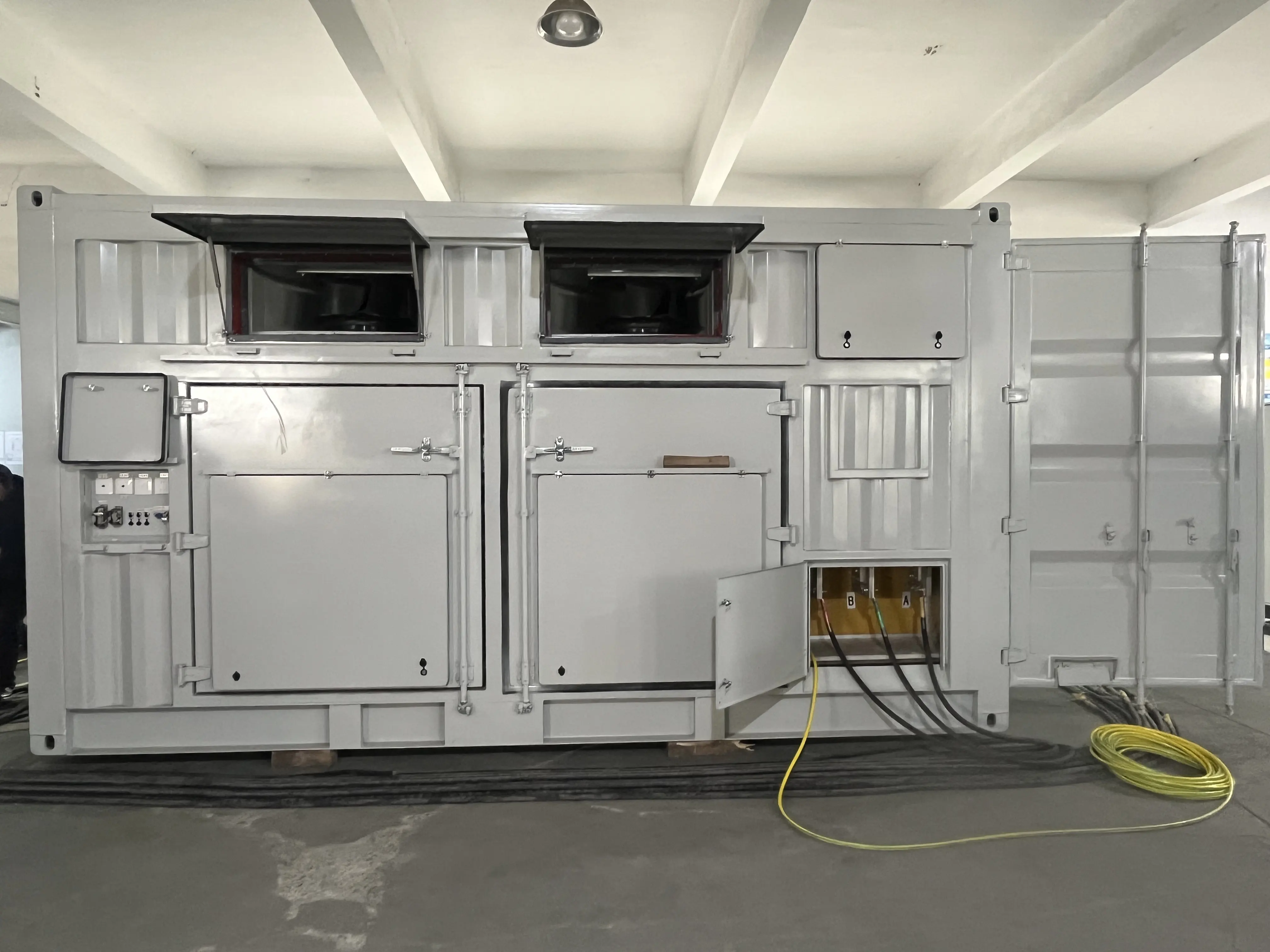
Modern power equipment manufacturing facilities face unprecedented challenges in testing and validating electrical systems under realistic grid conditions. The complexity of today's power infrastructure demands sophisticated testing equipment that can replicate various grid scenarios while maintaining energy efficiency. Regenerative grid simulators have emerged as indispensable tools for power equipment factories, offering comprehensive testing capabilities that ensure product reliability and performance in real-world applications. These advanced systems provide manufacturers with the ability to conduct thorough quality assurance protocols while minimizing energy consumption and operational costs.
Understanding Regenerative Grid Simulation Technology
Core Principles of Grid Simulation
Regenerative grid simulators operate on the fundamental principle of bidirectional power flow, allowing them to both source and sink electrical energy during testing procedures. This capability distinguishes them from traditional power supplies that can only provide energy in one direction. The regenerative functionality enables these systems to recover energy from the device under test and feed it back into the electrical grid, significantly reducing overall power consumption during testing operations.
The simulation accuracy of these systems depends on their ability to replicate real-world grid conditions with high fidelity. Advanced control algorithms ensure that voltage waveforms, frequency variations, and harmonic content match actual grid parameters. This precision is crucial for power equipment factories that must validate their products against stringent industry standards and regulatory requirements.
Energy Recovery and Efficiency Benefits
The regenerative capability of these simulators represents a paradigm shift in testing methodology for power equipment manufacturers. Traditional testing methods often dissipate generated energy as heat through resistive loads, resulting in significant energy waste and increased cooling requirements. Regenerative grid simulators capture this energy and return it to the facility's electrical system, achieving efficiency rates exceeding 90% in many applications.
This energy recovery feature becomes particularly valuable when testing high-power equipment such as inverters, motor drives, and power conditioning systems. The cost savings associated with reduced energy consumption and lower cooling requirements can justify the initial investment in regenerative grid simulators within relatively short payback periods.
Critical Applications in Power Equipment Manufacturing
Inverter and Converter Testing
Power equipment factories utilize regenerative grid simulators extensively for testing photovoltaic inverters, wind turbine converters, and energy storage system interfaces. These applications require comprehensive evaluation under various grid conditions, including voltage sags, frequency deviations, and harmonic distortion scenarios. The simulators provide controlled environments where manufacturers can verify compliance with grid codes and interconnection standards.
The testing process involves subjecting inverters to simulated grid disturbances while monitoring their response characteristics and protective functions. Regenerative grid simulators excel in this role because they can accurately reproduce transient events and steady-state abnormalities that inverters might encounter in actual installations. This capability ensures that tested equipment will perform reliably when deployed in real-world applications.
Motor Drive and Variable Frequency Drive Validation
Manufacturing facilities that produce motor drives and variable frequency drives rely on regenerative grid simulators to conduct comprehensive performance evaluations. These systems enable testing under various load conditions while simulating different grid voltage and frequency scenarios. The bidirectional power flow capability allows for testing of regenerative braking functions commonly found in modern drive systems.
The testing protocols typically involve evaluating drive performance across the full operating range while monitoring power quality parameters, efficiency characteristics, and thermal behavior. Regenerative grid simulators provide the necessary flexibility to create custom test profiles that reflect specific application requirements and operating environments.
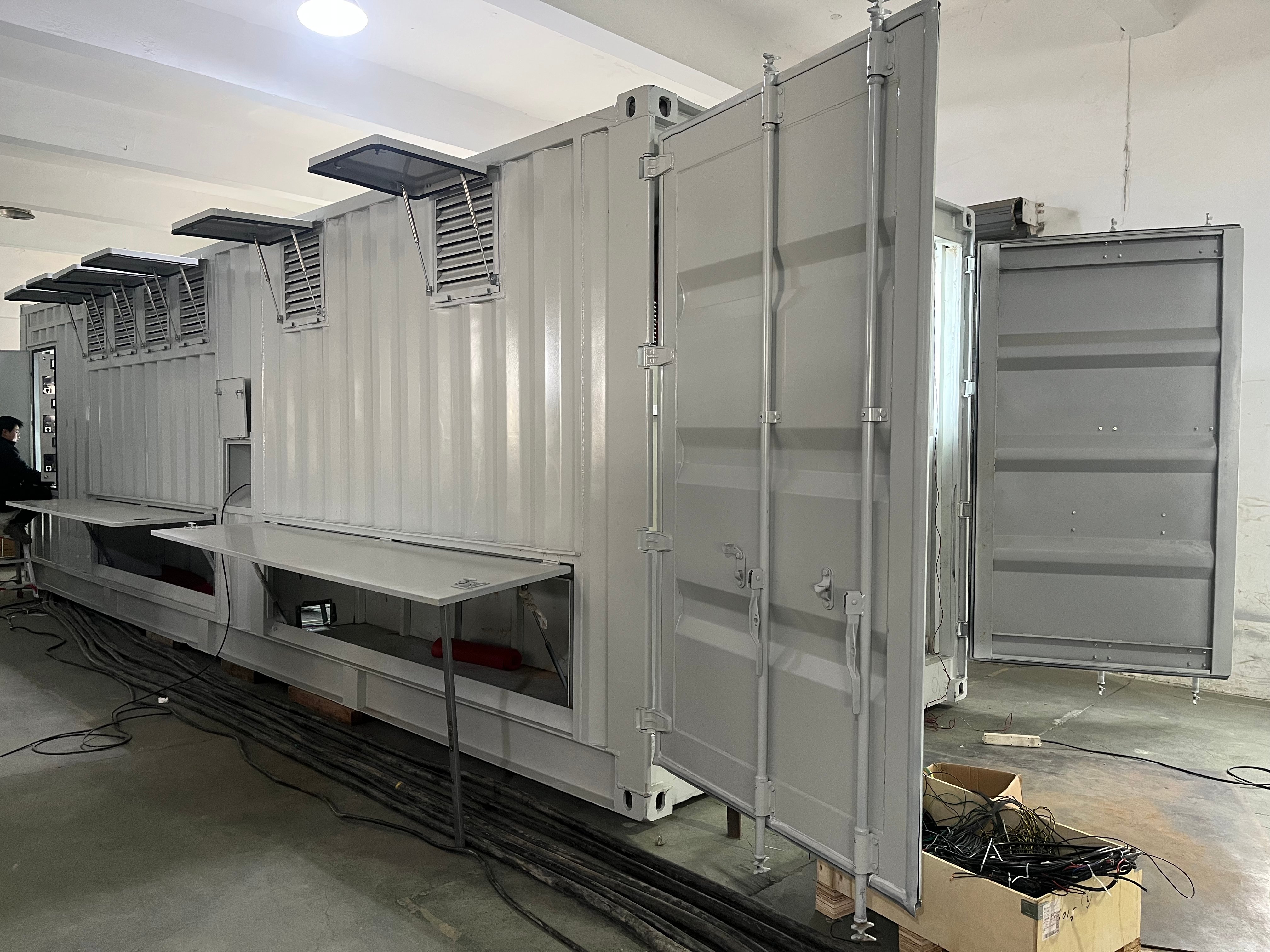
Quality Assurance and Compliance Testing
International Standards Compliance
Power equipment manufacturers must demonstrate compliance with numerous international standards, including IEEE 1547, IEC 61000, and UL 1741, among others. Regenerative grid simulators provide the testing infrastructure necessary to validate equipment performance against these stringent requirements. The systems can generate precise test conditions specified in these standards while maintaining measurement accuracy and repeatability.
Compliance testing often involves subjecting equipment to extreme operating conditions, including voltage and frequency excursions, harmonic distortion, and unbalanced voltage conditions. The regenerative capability ensures that testing can be conducted efficiently without excessive energy consumption, even during extended test sequences required for thorough compliance validation.
Production Line Integration
Modern power equipment factories integrate regenerative grid simulators into their production lines to enable 100% testing of manufactured products. This integration requires careful consideration of test throughput, automation capabilities, and data management systems. The simulators must be capable of executing standardized test sequences rapidly while maintaining high accuracy and reliability.
The implementation of automated testing systems using regenerative grid simulators enables manufacturers to maintain consistent quality standards while reducing labor costs and human error. These systems can generate comprehensive test reports and maintain traceability records required for quality management systems and customer documentation.
Economic and Environmental Impact
Cost-Benefit Analysis for Manufacturing Facilities
The economic justification for implementing regenerative grid simulators in power equipment factories extends beyond simple energy savings. These systems enable more comprehensive testing protocols that can identify potential reliability issues early in the manufacturing process, reducing warranty costs and customer service expenses. The improved test coverage contributes to enhanced product reputation and market competitiveness.
Manufacturing facilities typically experience payback periods of two to four years when implementing regenerative grid simulators, depending on testing volume and local energy costs. The calculation includes direct energy savings, reduced cooling requirements, and improved testing efficiency that enables higher production throughput.
Sustainability and Environmental Considerations
The environmental benefits of regenerative grid simulators align with corporate sustainability goals and regulatory requirements for reduced carbon emissions. By recovering and reusing test energy, these systems significantly reduce the carbon footprint associated with power equipment testing operations. This environmental advantage becomes increasingly important as manufacturers face pressure to demonstrate environmental responsibility.
The reduced heat generation associated with regenerative testing also contributes to improved working conditions and reduced HVAC requirements in manufacturing facilities. These secondary benefits contribute to overall facility efficiency and employee comfort while supporting sustainability objectives.
Advanced Features and Capabilities
Multi-Phase and High-Power Testing
Contemporary regenerative grid simulators offer multi-phase testing capabilities essential for evaluating three-phase power equipment commonly used in industrial applications. These systems can independently control each phase while maintaining precise phase relationships and voltage balance characteristics. The capability extends to high-power applications, with some regenerative grid simulators capable of handling megawatt-level testing requirements.
The scalability of these systems allows manufacturers to configure testing capacity based on their specific product lines and testing requirements. Modular designs enable facilities to expand testing capabilities as production volumes increase or as new product lines are introduced.
Real-Time Monitoring and Data Analysis
Modern regenerative grid simulators incorporate sophisticated monitoring and analysis capabilities that provide real-time visibility into test parameters and equipment performance. These systems can capture and analyze power quality parameters, efficiency measurements, and transient behavior with high temporal resolution. The data collection capabilities support detailed analysis of equipment performance and identification of optimization opportunities.
The integration of advanced data analytics enables predictive maintenance approaches and continuous improvement of testing protocols. Manufacturing facilities can utilize this data to optimize production processes and enhance product quality while maintaining comprehensive documentation for regulatory compliance and customer requirements.
Future Trends and Technological Evolution
Integration with Industry 4.0 Concepts
The evolution of regenerative grid simulators continues to align with Industry 4.0 principles, incorporating increased automation, connectivity, and data-driven decision making. These systems are becoming integral components of smart manufacturing environments where testing data contributes to overall production optimization and quality management systems.
Future developments in regenerative grid simulators will likely include enhanced artificial intelligence capabilities for automatic test optimization and predictive analysis of equipment performance. These advancements will enable manufacturers to further reduce testing time while improving test coverage and accuracy.
Emerging Applications and Market Expansion
As renewable energy adoption continues to accelerate, the demand for sophisticated testing capabilities in power equipment manufacturing will expand significantly. Regenerative grid simulators will play crucial roles in validating new technologies such as energy storage systems, electric vehicle charging infrastructure, and grid-interactive inverters. These emerging applications will drive continued innovation in simulator capabilities and performance.
The expansion of electric mobility and grid modernization initiatives will create new testing requirements that regenerative grid simulators are uniquely positioned to address. Manufacturing facilities that invest in these advanced testing systems will be better positioned to capitalize on market opportunities in emerging power technology sectors.
FAQ
What distinguishes regenerative grid simulators from traditional power supplies in manufacturing testing?
Regenerative grid simulators differ from traditional power supplies primarily through their bidirectional power flow capability, allowing them to both source and sink electrical energy during testing. This enables energy recovery and reuse, significantly reducing power consumption and operating costs. Traditional power supplies only provide energy in one direction and typically dissipate test energy as waste heat, resulting in higher energy consumption and cooling requirements.
How do regenerative grid simulators contribute to compliance testing for power equipment?
These simulators provide the precise control and accuracy required for compliance testing against international standards such as IEEE 1547 and IEC 61000. They can generate specific test conditions including voltage excursions, frequency variations, and harmonic distortion scenarios required by these standards. The systems maintain measurement accuracy and repeatability essential for regulatory compliance while enabling comprehensive testing protocols efficiently.
What are the typical payback periods for regenerative grid simulators in manufacturing facilities?
Manufacturing facilities typically experience payback periods ranging from two to four years when implementing regenerative grid simulators. The calculation includes direct energy savings from regenerative operation, reduced cooling costs, improved testing efficiency, and enhanced product quality that reduces warranty expenses. Higher testing volumes and elevated local energy costs generally result in shorter payback periods.
Can regenerative grid simulators handle high-power testing requirements for large power equipment?
Modern regenerative grid simulators are available in configurations capable of handling megawatt-level testing requirements suitable for large power equipment applications. These systems feature modular designs that allow scalability based on specific testing needs and can be configured for multi-phase testing with independent control of each phase. The regenerative capability becomes particularly valuable at high power levels where energy recovery provides substantial cost savings.
Table of Contents
- Understanding Regenerative Grid Simulation Technology
- Critical Applications in Power Equipment Manufacturing
- Quality Assurance and Compliance Testing
- Economic and Environmental Impact
- Advanced Features and Capabilities
- Future Trends and Technological Evolution
-
FAQ
- What distinguishes regenerative grid simulators from traditional power supplies in manufacturing testing?
- How do regenerative grid simulators contribute to compliance testing for power equipment?
- What are the typical payback periods for regenerative grid simulators in manufacturing facilities?
- Can regenerative grid simulators handle high-power testing requirements for large power equipment?

