
 EN
EN
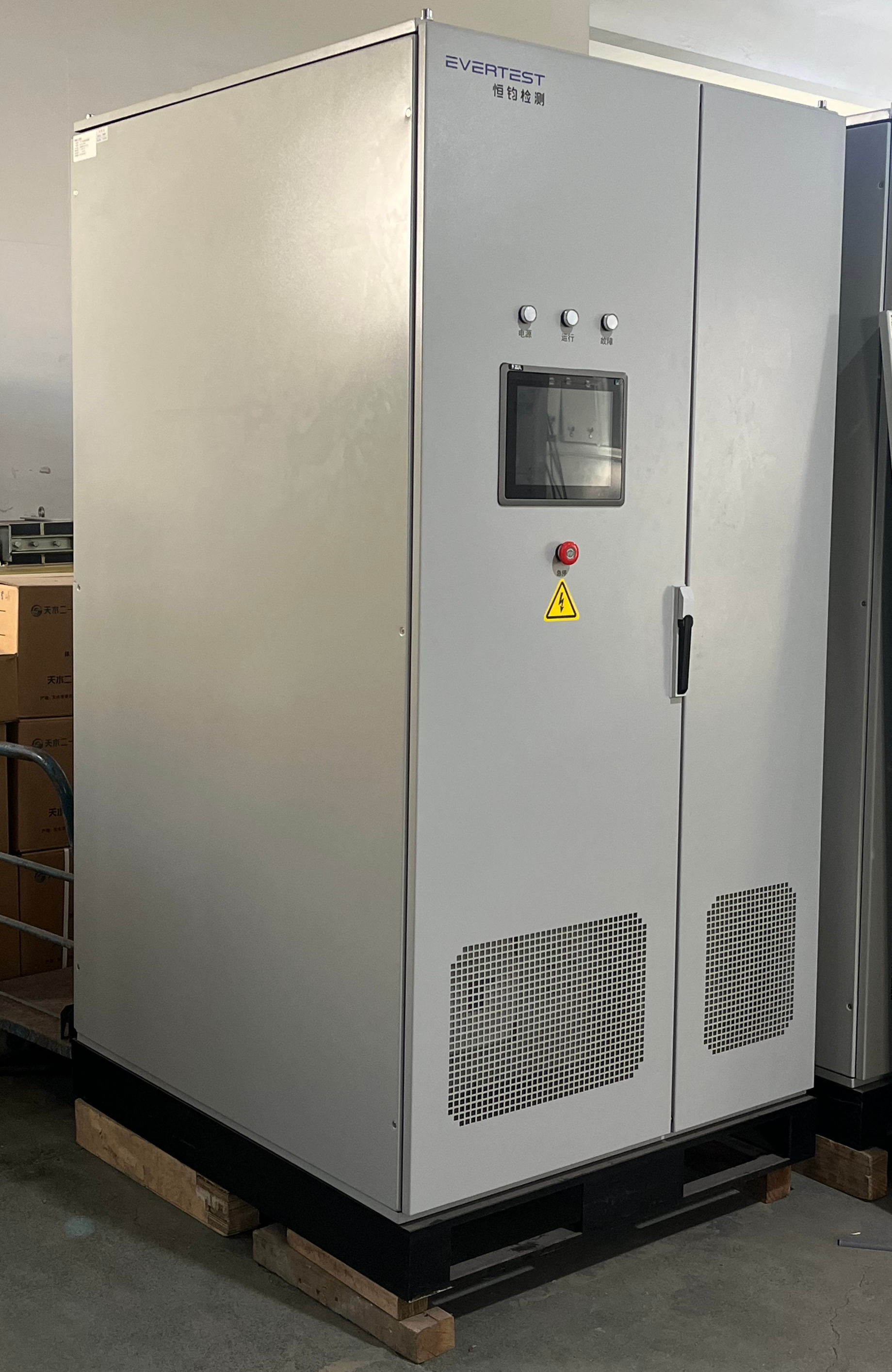
Manufacturing facilities across the globe face increasing challenges in maintaining consistent and reliable power supply systems. The rise in energy costs, grid instability, and the growing demand for sustainable operations have pushed industrial leaders to explore advanced solutions. Energy storage batteries have emerged as a critical technology for factories seeking to enhance their power infrastructure while reducing operational costs and improving overall efficiency.
The integration of battery storage systems into factory power networks represents a paradigm shift in industrial energy management. These sophisticated systems provide manufacturers with unprecedented control over their electricity consumption patterns, enabling them to optimize operations during peak demand periods and capitalize on favorable energy pricing structures. Modern industrial facilities require uninterrupted power flow to maintain production schedules, protect sensitive equipment, and ensure worker safety across all operational areas.
Understanding Industrial Power Stability Challenges
Grid Dependency and Vulnerability Issues
Traditional factory operations rely heavily on utility grid connections that can experience fluctuations, outages, and voltage irregularities. These disruptions can cause significant financial losses, equipment damage, and production delays that impact delivery schedules and customer relationships. Grid instability becomes particularly problematic during extreme weather events, peak consumption periods, or when aging infrastructure fails to meet industrial demand requirements.
Power quality issues such as voltage sags, surges, and frequency deviations can severely affect manufacturing processes that depend on precise electrical parameters. Sensitive machinery, computerized control systems, and automated production lines require stable power conditions to function optimally and maintain product quality standards. Even brief interruptions can trigger costly shutdowns that require hours or days to fully restore normal operations.
Peak Demand and Load Management
Industrial facilities often experience significant variations in power consumption throughout their operational cycles, creating challenges in load balancing and demand management. Peak demand charges imposed by utility companies can substantially increase electricity costs, particularly for manufacturers with high-power equipment that operates during expensive time periods. These demand charges are calculated based on the highest power draw within specific billing periods, making it crucial for factories to implement effective load management strategies.
Manufacturing processes frequently involve equipment with high starting currents, sudden load changes, and intermittent operation patterns that create power spikes and irregular consumption profiles. Without proper load management systems, these variations can result in inefficient energy usage, increased operational costs, and potential strain on both internal electrical infrastructure and external grid connections.
Energy Storage Battery Technologies for Industrial Applications
Lithium-Ion Battery Systems
Lithium-ion technology dominates the industrial energy storage landscape due to its superior energy density, long cycle life, and excellent charge-discharge efficiency characteristics. These battery systems can provide rapid response times for power stabilization applications while maintaining consistent performance across thousands of charging cycles. The modular design of lithium-ion installations allows factories to scale their storage capacity according to specific operational requirements and available space constraints.
Advanced lithium-ion energy storage batteries incorporate sophisticated battery management systems that monitor cell temperatures, voltages, and current flows to ensure safe operation and optimal performance. These intelligent systems can automatically adjust charging and discharging parameters based on real-time conditions, preventing overcharging, thermal runaway, and other potentially dangerous situations that could compromise facility safety.
Flow Battery Solutions
Flow battery technology offers unique advantages for large-scale industrial applications requiring extended discharge durations and frequent deep cycling capabilities. These systems separate energy storage from power generation components, allowing independent scaling of capacity and power output to match specific factory requirements. Flow batteries demonstrate exceptional longevity with minimal capacity degradation over extended operational periods, making them ideal for continuous industrial use.
The liquid electrolyte design of flow batteries enables easy maintenance, component replacement, and capacity expansion without requiring complete system replacement. This flexibility proves particularly valuable for growing manufacturing operations that may need to increase their energy storage capacity as production volumes expand or new equipment is added to existing facilities.
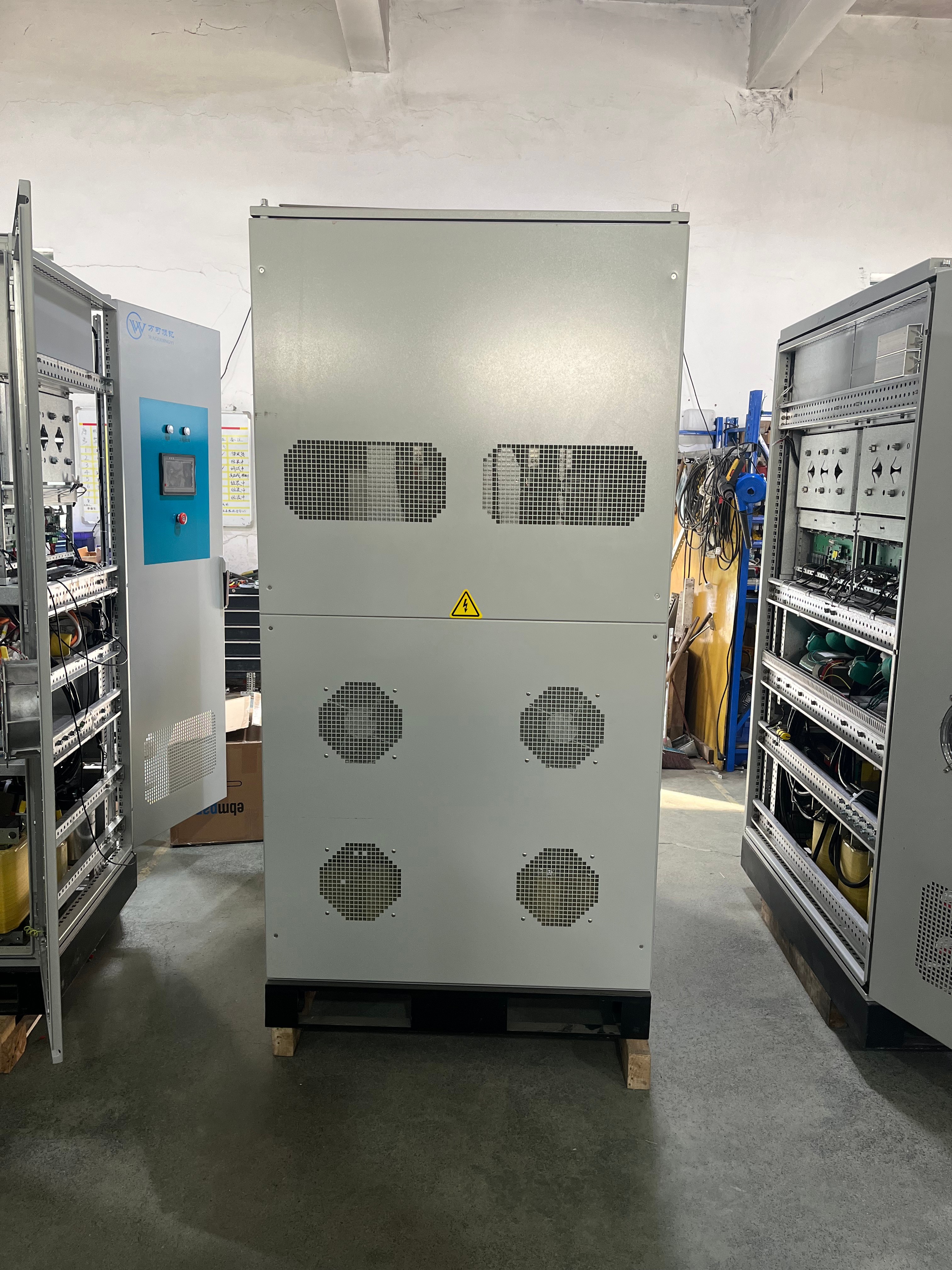
Power Supply Stabilization Mechanisms
Frequency Regulation and Grid Support
Energy storage batteries provide essential frequency regulation services that help maintain stable grid conditions and protect factory equipment from power quality issues. These systems can rapidly inject or absorb power to counteract frequency deviations, voltage fluctuations, and other grid disturbances that could affect manufacturing operations. The fast response capabilities of modern battery systems enable them to provide grid support services within milliseconds of detecting power quality problems.
Automatic frequency regulation functions built into industrial battery systems continuously monitor grid conditions and respond to utility control signals that request power injection or absorption. This capability not only protects factory operations but can also generate revenue through participation in utility frequency regulation programs that compensate facilities for providing grid stabilization services.
Uninterruptible Power Supply Functions
Battery storage systems serve as sophisticated uninterruptible power supplies that can seamlessly transition factory operations from grid power to stored energy during outages or power quality events. This seamless switching capability ensures continuous operation of critical manufacturing processes, preventing costly production interruptions and protecting sensitive equipment from sudden power loss. The transition time between grid and battery power typically occurs within milliseconds, making it imperceptible to most industrial equipment.
Extended backup power capabilities provided by large-scale energy storage batteries allow factories to maintain operations for hours or even days during prolonged outages. This extended runtime enables controlled shutdown procedures, completion of critical production runs, and maintenance of essential safety systems until grid power is restored or backup generators can be activated.
Economic Benefits and Cost Optimization
Peak Shaving and Demand Charge Reduction
Strategic deployment of energy storage batteries enables factories to significantly reduce peak demand charges by discharging stored energy during high-consumption periods and recharging during low-demand intervals. This peak shaving capability can result in substantial cost savings, particularly for facilities with high peak-to-average load ratios or operations that require intensive power consumption during expensive time periods.
Intelligent energy management systems can predict power consumption patterns based on production schedules, equipment operating cycles, and historical usage data to optimize battery charging and discharging schedules. These predictive algorithms ensure that stored energy is available when needed most while minimizing unnecessary cycling that could reduce battery lifespan or increase operational costs.
Time-of-Use Energy Arbitrage
Factories located in regions with time-of-use electricity pricing can leverage energy storage batteries to purchase and store electricity during low-cost periods for use during expensive peak hours. This energy arbitrage strategy can significantly reduce overall electricity costs while providing additional operational flexibility for manufacturing scheduling and load management decisions.
Advanced energy management software continuously monitors electricity prices, weather forecasts, and production schedules to optimize charging and discharging decisions that maximize economic benefits. These systems can automatically adjust battery operation to take advantage of negative pricing events, renewable energy availability, or other market opportunities that reduce overall energy costs.
Integration with Manufacturing Operations
Production Line Power Management
Energy storage batteries can be strategically integrated with specific production lines or manufacturing processes to provide dedicated power conditioning and backup capabilities. This targeted approach ensures that critical manufacturing operations receive the highest quality power while allowing less sensitive processes to operate on standard grid power. The modular nature of modern battery systems enables customized power distribution architectures that match the specific needs of different manufacturing areas.
Smart power distribution systems can automatically route stored energy to priority manufacturing processes during grid disturbances or high-demand periods while maintaining power to essential safety and monitoring systems. This intelligent load prioritization helps maintain overall factory productivity even when total power availability is limited or when implementing demand reduction strategies.
Equipment Protection and Power Conditioning
Industrial energy storage batteries provide superior power conditioning capabilities that protect sensitive manufacturing equipment from voltage variations, harmonic distortion, and other power quality issues that can cause equipment damage or production defects. The power electronics associated with battery systems can actively filter and condition electricity to provide clean, stable power that meets the strict requirements of precision manufacturing equipment.
Voltage regulation functions built into battery-based power systems can maintain consistent voltage levels even when grid conditions fluctuate or when large equipment starts up and creates temporary voltage dips. This voltage stability proves particularly important for facilities with computerized control systems, variable frequency drives, and other equipment sensitive to power quality variations.
Environmental and Sustainability Advantages
Renewable Energy Integration
Energy storage batteries facilitate the integration of renewable energy sources such as solar panels and wind turbines into factory power systems by storing excess renewable generation for use during periods when renewable resources are unavailable. This capability enables manufacturers to significantly reduce their carbon footprint while achieving greater energy independence and cost stability over time.
Battery storage systems can smooth the intermittent output of renewable energy sources, making them more compatible with consistent manufacturing operations that require steady power availability. The ability to store renewable energy during peak generation periods and discharge it during peak consumption periods maximizes the utilization and economic value of renewable energy investments.
Carbon Footprint Reduction
Strategic operation of energy storage batteries can reduce overall carbon emissions by enabling factories to shift their electricity consumption away from peak periods when utilities typically rely on less efficient and more polluting backup power plants. By consuming electricity during off-peak periods when cleaner baseload generation sources are available, factories can reduce their indirect carbon emissions without changing their actual production processes.
The improved efficiency of battery-supported power systems can also reduce overall energy consumption through better power quality, reduced losses, and optimized equipment operation. These efficiency gains translate directly into reduced environmental impact while often providing economic benefits through lower electricity consumption and reduced equipment maintenance requirements.
FAQ
What size energy storage battery system does a typical factory need?
The required size of an energy storage battery system depends on several factors including peak power demand, desired backup duration, load characteristics, and specific application requirements. Most industrial facilities require systems ranging from 500kWh to several MWh of storage capacity. A detailed energy audit and load analysis should be conducted to determine the optimal system size for each specific factory application, considering both current needs and future expansion plans.
How long do industrial energy storage batteries typically last?
Industrial-grade lithium-ion energy storage batteries typically provide 10-15 years of service life with proper maintenance and operation within specified parameters. The actual lifespan depends on factors such as cycle depth, operating temperature, charging protocols, and overall system design. Most manufacturers provide warranties covering 10 years or a specific number of charge-discharge cycles, whichever occurs first. Regular monitoring and maintenance can help maximize battery lifespan and ensure optimal performance throughout the system's operational life.
Can energy storage batteries provide power during extended outages?
Yes, properly sized energy storage batteries can provide power for several hours to multiple days depending on the storage capacity and power consumption requirements. However, the actual duration depends on the load being supported and the available storage capacity. For extended outages lasting days or weeks, battery systems are often integrated with backup generators or renewable energy sources to provide indefinite backup power capability while maintaining the benefits of clean, instant-response battery power for short-term disturbances.
What maintenance requirements do industrial energy storage systems have?
Industrial energy storage batteries require regular monitoring of performance parameters, periodic inspection of electrical connections, and occasional software updates for control systems. Most modern systems include remote monitoring capabilities that allow proactive maintenance scheduling and early detection of potential issues. Typical maintenance activities include checking battery module voltages, inspecting cooling systems, testing safety systems, and verifying proper operation of protection devices. Preventive maintenance schedules typically require quarterly inspections and annual comprehensive system testing to ensure continued safe and reliable operation.

