
 EN
EN
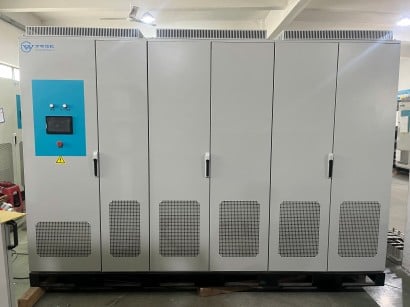
Research and development laboratories require precise, reliable power solutions to conduct accurate testing and validation of electrical equipment. The selection of appropriate power supply systems directly impacts the quality of test results and overall laboratory efficiency. Modern R&D facilities increasingly rely on sophisticated power systems that can simulate real-world grid conditions while maintaining exceptional control and stability. AC Analogue Power Grid Power Supply systems represent a significant advancement in laboratory testing technology, offering unprecedented capabilities for complex electrical testing scenarios.
Understanding AC Analogue Power Grid Power Supply Technology
Fundamental Operating Principles
AC Analogue Power Grid Power Supply systems operate by converting incoming electrical power into precisely controlled alternating current outputs that can mimic various grid conditions. These systems utilize advanced analog control circuits and high-quality transformers to maintain exceptional signal integrity and minimize harmonic distortion. The analog nature of these power supplies ensures continuous, smooth voltage and frequency regulation without the switching artifacts commonly found in digital systems. This continuous control mechanism allows for real-time adjustments and responses to load changes, making them ideal for sensitive testing applications where signal purity is paramount.
The technology incorporates sophisticated feedback control loops that monitor output parameters continuously and make instantaneous corrections to maintain specified operating conditions. Unlike digital switching power supplies that create discrete voltage steps, analog systems provide seamless voltage transitions that better replicate actual grid behavior. This characteristic is particularly valuable when testing equipment that is sensitive to power quality issues or when conducting research on power system dynamics and stability.
Technical Architecture and Design Features
The architecture of AC Analogue Power Grid Power Supply systems centers around high-performance linear amplifiers and precision control circuits that work together to deliver exceptional output quality. These systems typically feature multiple stages of filtering and regulation to eliminate noise and ensure clean power delivery to connected test equipment. The design incorporates robust thermal management systems to handle continuous operation under varying load conditions while maintaining consistent performance characteristics.
Advanced protection mechanisms are integrated throughout the system to safeguard both the power supply and connected test equipment from fault conditions. These include overcurrent protection, overvoltage protection, and thermal protection systems that respond rapidly to abnormal conditions. The modular design approach allows for easy maintenance and component replacement, ensuring minimal downtime for critical laboratory operations. Additionally, the systems often feature comprehensive monitoring and diagnostic capabilities that provide real-time status information and alert operators to potential issues before they impact testing procedures.
Superior Performance Characteristics in Laboratory Environments
Precision and Stability Advantages
The precision capabilities of AC Analogue Power Grid Power Supply systems far exceed those of conventional power sources, making them indispensable for high-accuracy laboratory measurements. These systems can maintain voltage regulation within extremely tight tolerances, typically better than 0.1% under steady-state conditions and excellent transient response characteristics. The stability of output parameters over time and varying environmental conditions ensures consistent test results and eliminates power-related variables that could compromise research accuracy.
Temperature coefficients of analog power supplies are carefully engineered to minimize drift over the operating temperature range, ensuring that laboratory measurements remain accurate throughout extended testing periods. The low output impedance characteristics of these systems provide excellent load regulation, meaning that output voltage remains stable even when test equipment presents varying or dynamic load conditions. This stability is crucial for testing sensitive electronic devices or conducting precision measurements where even minor power variations could affect results.
Harmonic Distortion and Signal Quality
One of the most significant advantages of AC Analogue Power Grid Power Supply systems is their exceptionally low total harmonic distortion characteristics. These systems typically achieve THD levels well below 0.5%, which is essential for testing equipment that is sensitive to power quality or for conducting research on power system harmonics. The clean sinusoidal output waveform closely approximates ideal grid conditions, allowing researchers to establish baseline performance before introducing controlled disturbances for testing purposes.
The analog control methodology inherently produces fewer high-frequency artifacts compared to switching power supplies, resulting in cleaner spectrum characteristics and reduced electromagnetic interference. This clean output is particularly valuable when testing radio frequency equipment or conducting electromagnetic compatibility studies where spurious signals from the power supply could interfere with measurements. The continuous nature of analog control also eliminates switching noise that could couple into sensitive measurement circuits and compromise test accuracy.
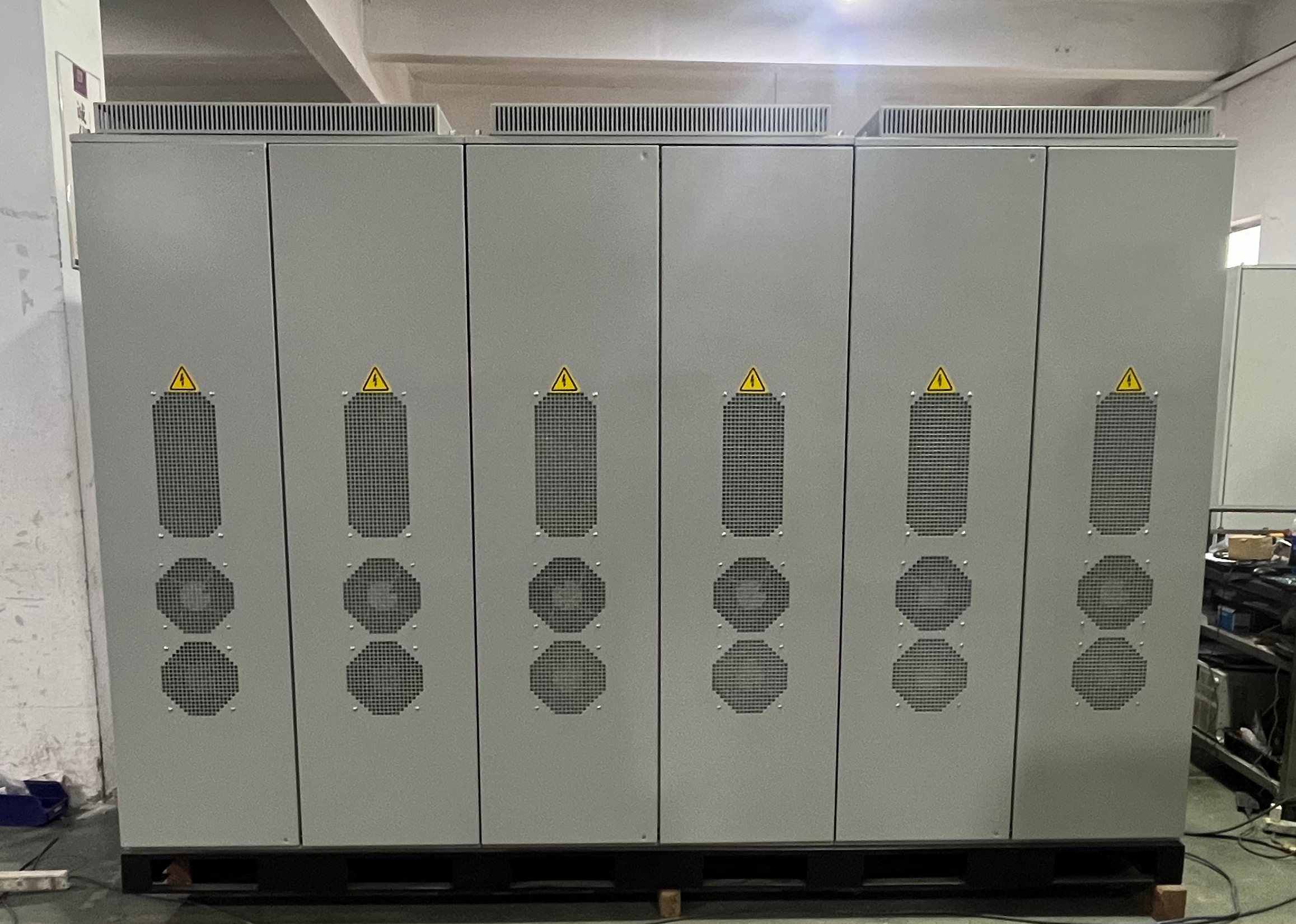
Operational Benefits and Laboratory Integration
Flexibility and Programmability Features
Modern AC Analogue Power Grid Power Supply systems offer extensive programmability options that allow researchers to configure output parameters precisely according to their testing requirements. These systems can simulate various grid conditions including voltage variations, frequency deviations, and phase relationships that are encountered in real-world power systems. The ability to program specific test sequences and automatically execute complex testing protocols significantly enhances laboratory productivity and ensures reproducible test conditions.
Remote control capabilities enable integration with automated test systems and allow operators to control multiple power supplies from centralized locations. This integration capability is essential for complex test setups that require coordination between multiple power sources or when conducting long-duration tests that need to run unattended. The systems often provide extensive data logging capabilities that record all operating parameters throughout test sequences, supporting detailed analysis of test results and compliance documentation requirements.
Safety and Protection Systems
Laboratory safety is paramount when working with high-power electrical equipment, and AC Analogue Power Grid Power Supply systems incorporate comprehensive safety features designed to protect personnel and equipment. Multiple levels of protection prevent dangerous conditions from developing, including ground fault detection, arc fault protection, and emergency shutdown systems that can be activated instantly if hazardous conditions are detected. Isolation transformers provide galvanic isolation between input and output circuits, enhancing personnel safety during testing operations.
Interlock systems ensure that power cannot be applied to test circuits unless all safety conditions are met, including proper grounding, enclosure integrity, and personnel clearance. Visual and audible indicators clearly communicate system status and warn of potentially hazardous conditions. The systems also feature gradual startup and shutdown sequences that prevent sudden voltage changes that could damage sensitive test equipment or create safety hazards during connection and disconnection procedures.
Application Advantages in Specific Research Areas
Power Electronics Testing and Validation
Power electronics research requires precise control of input power conditions to evaluate device performance under various operating scenarios. AC Analogue Power Grid Power Supply systems excel in this application by providing clean, stable power that allows researchers to isolate the performance characteristics of power electronic devices without interference from power supply artifacts. The ability to vary voltage and frequency continuously enables comprehensive characterization of power conversion equipment across their entire operating range.
The low output impedance and fast transient response of analog power supplies make them ideal for testing power electronics that present dynamic loads or exhibit negative resistance characteristics during certain operating modes. This capability is essential when testing switching power supplies, motor drives, or renewable energy converters that can exhibit complex loading characteristics. The clean power output also ensures that efficiency measurements and harmonic analysis of power electronic devices reflect their true performance rather than artifacts introduced by the test power supply.
Grid Simulation and Power Quality Research
Research into power grid behavior and power quality issues requires the ability to replicate various grid conditions in a controlled laboratory environment. AC Analogue Power Grid Power Supply systems provide this capability by enabling researchers to simulate voltage sags, swells, frequency variations, and other grid disturbances while maintaining precise control over the magnitude and duration of these events. This controlled simulation capability is essential for developing and testing protective equipment and power quality improvement devices.
The systems can generate complex waveforms that replicate real-world power quality problems, including voltage unbalance, harmonic distortion, and inter-harmonic components. This capability allows researchers to evaluate how equipment responds to various power quality issues and develop mitigation strategies. The precise control over phase relationships between multiple outputs enables testing of three-phase equipment and investigation of power system phenomena that depend on phase sequence and balance.
Economic and Operational Considerations
Long-term Cost Effectiveness
While AC Analogue Power Grid Power Supply systems may require higher initial investment compared to basic power sources, their long-term cost effectiveness becomes apparent through improved test accuracy, reduced test time, and enhanced laboratory productivity. The reliability and stability of these systems minimize test repetition due to power-related issues, saving valuable research time and resources. The precision capabilities also enable more comprehensive testing in shorter time periods, maximizing the utilization of expensive laboratory equipment and personnel.
The robust construction and high-quality components used in analog power supplies typically result in longer service life and lower maintenance requirements compared to switching power supplies. The absence of high-frequency switching components reduces stress on internal components and minimizes the likelihood of premature failures. Additionally, the modular design of many systems allows for cost-effective upgrades and repairs, extending the useful life of the equipment and protecting the initial investment.
Maintenance and Service Requirements
AC Analogue Power Grid Power Supply systems are designed for minimal maintenance requirements while providing reliable long-term operation. The analog control circuits and linear power stages are inherently more robust than complex digital systems and require less frequent calibration and adjustment. Routine maintenance typically involves basic cleaning, connection inspection, and periodic calibration verification, which can often be performed by laboratory personnel without requiring specialized service technicians.
The diagnostic capabilities built into modern systems provide early warning of potential issues and guide maintenance personnel to specific components that may require attention. This predictive maintenance capability helps prevent unexpected failures and allows maintenance to be scheduled during planned downtime rather than interrupting critical research activities. The availability of comprehensive documentation and technical support ensures that laboratory personnel can effectively maintain and operate these systems throughout their service life.
FAQ
What makes AC Analogue Power Grid Power Supply superior to digital switching power supplies for laboratory use
AC Analogue Power Grid Power Supply systems offer superior performance for laboratory applications primarily due to their exceptional signal purity and continuous control characteristics. Unlike digital switching supplies that create discrete voltage steps and high-frequency switching artifacts, analog systems provide smooth, continuous voltage regulation with minimal harmonic distortion. This results in cleaner power that better replicates actual grid conditions and eliminates potential interference with sensitive test equipment. The analog control methodology also provides faster transient response and better load regulation, making these systems ideal for testing equipment with dynamic or unpredictable loading characteristics.
How do AC Analogue Power Grid Power Supply systems contribute to test accuracy and repeatability
The precision and stability characteristics of AC Analogue Power Grid Power Supply systems directly contribute to improved test accuracy and repeatability by eliminating power-related variables that could affect measurement results. These systems maintain voltage regulation within extremely tight tolerances and exhibit excellent stability over time and varying environmental conditions. The low output impedance and fast transient response ensure that power delivery remains consistent even when test equipment presents varying loads. This consistency is crucial for obtaining reliable, repeatable test results and enables researchers to have confidence in their measurements and conclusions.
What safety features are typically included in AC Analogue Power Grid Power Supply systems
AC Analogue Power Grid Power Supply systems incorporate multiple layers of safety protection to ensure personnel and equipment safety during laboratory operations. These include overcurrent protection, overvoltage protection, ground fault detection, and arc fault protection systems that respond rapidly to fault conditions. Isolation transformers provide galvanic isolation between input and output circuits, enhancing personnel safety. Interlock systems prevent power application unless all safety conditions are met, and emergency shutdown capabilities allow immediate power disconnection if hazardous conditions develop. Visual and audible indicators clearly communicate system status and potential hazards to laboratory personnel.
How do AC Analogue Power Grid Power Supply systems integrate with automated test equipment
Modern AC Analogue Power Grid Power Supply systems feature comprehensive remote control and communication capabilities that enable seamless integration with automated test systems. These systems typically provide multiple communication interfaces including Ethernet, USB, and serial connections that allow control from test automation software. The programmability features enable automated execution of complex test sequences, including voltage and frequency variations, while comprehensive data logging capabilities record all operating parameters for later analysis. This integration capability significantly enhances laboratory productivity by enabling unattended testing and ensuring consistent test conditions across multiple test runs.
Table of Contents
- Understanding AC Analogue Power Grid Power Supply Technology
- Superior Performance Characteristics in Laboratory Environments
- Operational Benefits and Laboratory Integration
- Application Advantages in Specific Research Areas
- Economic and Operational Considerations
-
FAQ
- What makes AC Analogue Power Grid Power Supply superior to digital switching power supplies for laboratory use
- How do AC Analogue Power Grid Power Supply systems contribute to test accuracy and repeatability
- What safety features are typically included in AC Analogue Power Grid Power Supply systems
- How do AC Analogue Power Grid Power Supply systems integrate with automated test equipment

