
 EN
EN
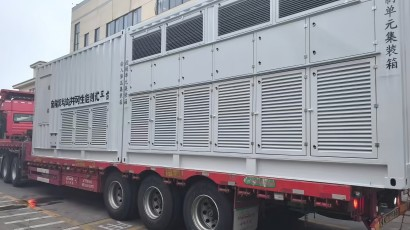
Në kushtet e sotme të zhvillimit të shpejtë të energjisë, instalimet në vende të largëta dhe skenarit e testimit në terren kërkojnë zgjidhje të besueshme furnizimi me energji që mund të rezistojnë në mjedise të vështira duke ruajtur parametrat elektrikë të saktë. Mobile Energji simulimi AC furnizimet janë bërë përbërës kritikë për sigurimin e furnizimit të qëndrueshëm me energji në vendndodhje ku infrastruktura tradicionale e rrjetit ose nuk ekziston apo është e papajtueshme. Këto sisteme të sofistikuara i japin inxhinierëve dhe teknikantëve mundësinë të riprodhojnë kushte elektrike të kontrolluara kudo, duke i bërë ato të padishme për aplikime testimi, montimi dhe rezervë emergjente në industri të ndryshme.
Sfida themelore për ruajtjen e cilësisë së qëndrueshme të energjisë në mjediset e largëta rrjedh nga faktorë të ndryshëm si distanca nga infrastruktura e shpërndarjes, kushtet ambientale dhe nevoja për zgjidhje të transportueshme. Furnizimet mobile me simulim AC i adresojnë këto sfida duke integruar elektronikë të avancuar fuqie, dizajne mekanike të forta dhe sisteme kontrolli inteligjentë që mund të përshtaten me kërkesat operative që ndryshojnë, duke mbajtur njëkohësisht qëndrueshmëri dhe saktësi të jashtëzakonshme.
Arkitekturë e Avancuar e Elektronikës së Fuqisë
Integrimi i Përpunimit Digital të Sinjaleve
Furnizimet moderne të energjisë për simulimin e kondicionerit mobil përdorin teknologjinë e sofistikuar të procesimit të sinjaleve digitale për të arritur kontroll të saktë të tensionit dhe frekuencës. Këto sisteme përdorin mikroprocesorë me shpejtësi të lartë që vazhdimisht monitorojnë parametrat e daljes dhe bëjnë rregullime në kohë reale për të ruajtur stabilitetin. Arkitekura e kontrollit bazuar në DSP i lejon sistemit të reagojë ndaj ndryshimeve të ngarkesës brenda mikrosekondave, duke parandaluar rënien e tensionit ose goditjet që mund të dëmtojnë pajisje të ndjeshme ose të pengojnë procedurat kritike të testimit.
Integrimi i algoritmeve të avancuara lejon këtyre furnizimeve me energji të simulojnë kushte të ndryshme rrjeti, përfshirë lëkundjet e tensionit, variacionet e frekuencës dhe modelet e shtrembërimit harmonik. Kjo aftësi është veçanërisht e vlefshme për testimin e pajisjeve që do të funksionojnë në kushte të ndryshme rrjeti, duke siguruar një vlerësim të plotë para se të vihen në përdorim në mjedise reale.
Konvertimi i Fuqisë me Efikasitet të Lartë
Efikasiteti është i thelbëshëm në aplikimet celulare ku konsumi i karburantit dhe gjenerimi i nxehtësisë ndikojnë drejtpërdrejt në koston e funksionimit dhe besueshmërinë e sistemit. Furnizimet me energji për simulimin e prubave AC të cilat përdoren në aplikime celulare arrijnë rendimente efikasie mbi 95% përmes zbatimit të topologjive të avancuara të kyçjes dhe pajisjeve gjysmëpërçuese me boshllëk të gjerë. Këto përmirësime ulin stresin termik mbi komponentët, zgjatin jetëgjatësinë e tyre dhe minimizojnë nevojën për ftohje, gjë që është e rëndësishme për instalimet celulare të kompaktuara.
Përdorimi i pajisjeve nga karburi i silicit dhe nitridi i galiumit lejon frekuencë më të lartë kycesh duke njëkohësisht ulur humbjet e përcjelljes, duke rezultuar në dizajne më të kompaktuara dhe më të lehta pa kompromentuar performancën. Ky zhvillim teknologjik është i rëndësishëm për aplikimet celulare ku peshë dhe kufizimet hapësinore janë faktorë të rëndësishëm në dizajnimin e sistemit dhe logjistikën e montimit.
Dizajni Mekanik dhe Mbrojtja nga Mjedisi
Standardet e Ndërtimit të Fortësuara
Furnizuesit e energjisë për simulim AC mobil duhet të qëndrojnë kushte të ashpra mjedisore, përfshirë ekstreme temperature, vibrime, goditje dhe ekspozim ndaj lagështisë. Këto sisteme zakonisht ndërtohen sipas standardeve ushtarake ose industriale si MIL-STD-810 ose certifikime IP65, duke siguruar funksionim të besueshëm në mjedise të vështira jashtë shtëpisë. Dizajni mekanik përfshin materiale që absorbojnë goditjet, struktura të fortuara të kasës dhe mbulesa të siguruara që mbrojnë pjesët elektronike të ndjeshme nga rreziqet mjedisore.
Kujdes i veçantë i kushtohet menaxhimit termik përmes përdorimit të sistemeve të avancuara të ftohjes që mund të funksionojnë efektivisht në një gamë të gjerë temperature. Algoritmet inteligjente të kontrollit të ventilatorëve rregullojnë ftohjen bazuar në kushtet e ngarkesës dhe temperaturën ambientale, duke optimizuar konsumin e energjisë ndërkohë që ruajnë temperatura optimale funksionimi për të gjitha pjesët kritike.
Veçori Transporti dhe Zbatimi
Aspekti i mobilitetit i këtyre furnizimeve me energji kërkon një konsideratë të kujdesshme të logjistikës së transportit dhe kapaciteteve të deplotimeve të shpejta. Sistemet janë projektuar me pika integruar ngjitjeje, rrota lëvizëse dhe konstruksion modulor që lehtëson manipulimin dhe montimin e lehtë nga personeli në terren. Ndërfaqet me lidhje të shpejta dhe konektorët standardizuar zvogëlojnë kohën e montimit dhe minimizojnë mundësinë e gabimeve gjatë lidhjes gjatë deplimit.
Shumë njësi kanë sisteme integruar për menaxhimin e kabllave dhe kompartimente depozitimi për aksesorë, duke siguruar që të gjitha pjesët e nevojshme të jenë readily available gjatë operacioneve në terren. Ky qasje komplekse ndaj dizajnit mobil zvogëlon kompleksitetin e deplimit në terren dhe rrit besueshmërinë e përgjithshme të sistemit përmes një organizimi më të mirë dhe mbrojtjes së përbërësve kritikë.
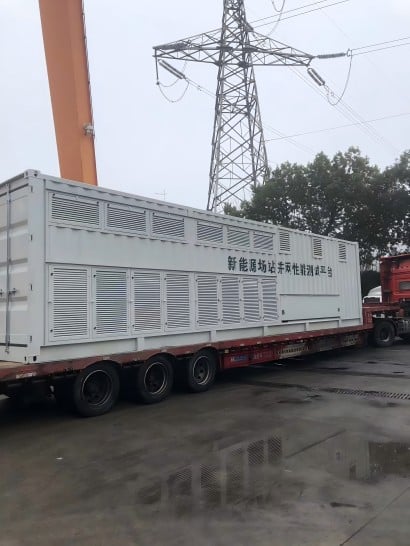
Sisteme të Larg dhe Monitorimi Intelligent
Aftësi Operimi të Largët
Furnizimet e avancuara të energjisë për simulimin e AC në celular përfshijnë mundësi të plota të monitorimit dhe kontrollit nga distanca që i lejojnë operatorëve të menaxhojnë sistemet nga vendndodhje të largëta. Këto veçori janë veçanërisht të vlefshme për sajtet e braktisur ose aplikime ku konsideratat e sigurisë kufizojnë hyrjen direkte të personelit. Ndërfaqet e kontrollit nga distanca ofrojnë monitorim në kohë reale të parametrave, menaxhim alarmesh dhe mundësinë e rregullimit të parametrave operativ pa u pranishur fizikisht në vendndodhjen e pajisjes.
Protokollet e komunikimit, duke përfshirë lidhjet Ethernet, celulare dhe satelitore, sigurojnë transmetim të besueshëm të të dhënave edhe në vendndodhje të largëta me infrastrukturë të kufizuar. Masat e avancuara të sigurisë kibernetike mbrojnë këto kanale komunikimi nga hyrja e papajtueshme, ndërkohë që ruajnë funksionalitetin e nevojshëm për operim dhe monitorim efikas nga distanca.
Integrimi i Mbajtjes Parashikuese
Sistemet moderne përfshijnë algoritme parashikuese të mirëmbajtjes që analizojnë të dhënat operative për të identifikuar problemet e mundshme përpara se ato të rezultojnë në dështim të pajisjeve. Këto sisteme monitorojnë parametra të tillë si temperaturat e komponentëve, nivelet e dridhjeve, treguesit e stresit elektrik dhe modelet e përdorimit për të parashikuar kërkesat e mirëmbajtjes dhe për të optimizuar oraret e shërbimit. Kjo qasje proaktive është veçanërisht e vlefshme për instalimet në distancë ku ngjarjet e paplanifikuara të mirëmbajtjes mund të jenë jashtëzakonisht të kushtueshme dhe prishëse.
Aftësitë e regjistrimit të të dhënave ruajnë historinë operative dhe metrikat e performancës, duke lejuar analizën e trendeve dhe optimizimin afatgjatë të performancës së sistemit. Kjo informacion është i pavlerë për përmirësimin e procedurave operative dhe marrjen e vendimeve të informuara rreth strategjive të përdorimit dhe zëvendësimit të pajisjeve.
Përshtatshmëri Specifike sipas Aplikimit
Simulimi dhe Testimi i Rrjetit
Furnizimet e energjisë së simulacionit të lëvizshëm AC shkëlqojnë në aplikacione që kërkojnë simulim të saktë të gjendjes së rrjetit për testimin dhe validimin e pajisjeve. Këto sisteme mund të riprodhojnë anomali të ndryshme të rrjetit duke përfshirë rënie të tensionit, fryrje, devijimet e frekuencës dhe modelet e shtrembërimit harmonik që pajisjet mund të hasin në kushtet aktuale të shërbimit. Ky kapacitet është thelbësor për protokollet e plotë të testimit që sigurojnë besueshmërinë e pajisjeve dhe pajtueshmërinë me standardet ndërkombëtare.
Aftësia për të programuar sekuencat komplekse të testimit dhe protokollet e automatizuara të testimit zvogëlon kohën e testimit ndërsa përmirëson përsëritshmërinë dhe saktësinë. Sistemet e përparuara mund të ruajnë profile të shumta testimi dhe t'i ekzekutojnë ato automatikisht, duke mundësuar testimin e plotë të validimit me ndërhyrje minimale të operatorit.
Aplikimet e energjisë së emergjencës
Në situatat e reagimit në emergjencë, furnizimet e energjisë së simulimit të AC-së mobile sigurojnë energji kritike rezervë për sistemet dhe pajisjet thelbësore. Këto aplikacione kërkojnë aftësi për vendosje të shpejtë dhe aftësi për të operuar vazhdimisht në kushte të këqija. Sistemet e dizajnuara për reagim emergjent përfshijnë karakteristika të tilla si sekuencat automatike të nisjes, menaxhimin e ngarkesës së përparësisë dhe aftësitë e zgjeruara të funksionimit që sigurojnë furnizim të besueshëm të energjisë gjatë situatave kritike.
Integrimi me sistemet e komunikimit të emergjencës dhe koordinimi me pajisjet e tjera të reagimit në emergjencë lehtësohen përmes ndërfaqeve dhe protokolleve të komunikimit të standardizuara. Kjo aftësi e integrimit është thelbësore për operacionet efektive të reagimit në raste emergjence ku sistemet e shumta duhet të punojnë së bashku pa probleme.
Sigurimi i cilësisë dhe pajtueshmëria me standardet
Zbatim i Standardëve Ndërkombëtare
Furnizimet e energjisë për simulim të AC-së duhet të jenë në përputhje me standarde të ndryshme ndërkombëtare që rregullojnë sigurinë elektrike, pajtueshmërinë elektromagnetike dhe performancën mjedisore. Këto standarde përfshijnë IEC 61000 për përputhshmërinë elektromagnetike, IEEE 519 për kontrollin harmonik dhe kërkesa të ndryshme të shënuesve UL dhe CE për pajtueshmërinë e sigurisë. Përmbushja e këtyre standardeve siguron funksionim të besueshëm dhe pranim në tregjet ndërkombëtare.
Procedurat e rregullta të testimit dhe kalibrimit mbajnë përputhshmërinë gjatë gjithë jetës së pajisjes. Shumë sisteme përfshijnë aftësi vetëkalibrimi që verifikojnë dhe rregullojnë automatikisht parametrat kritikë, duke zvogëluar nevojën për procedura kalibrimi manual dhe duke siguruar performancë të qëndrueshme me kalimin e kohës.
Kontrolli i cilësisë Proceset e prodhimit
Prodhimi i furnizuesve të lëvizshëm të simuluesve të energjisë AC përfshin procese rigoroze të kontrollit të cilësisë që sigurojnë performancë dhe besueshmëri të qëndrueshme. Këto procese përfshijnë testime gjithëpërfshirëse të përbërësve, shqyrtim të stresit mjedisor dhe procedura të gjera të djegjes që identifikojnë problemet e mundshme të besueshmërisë para dërgimit të pajisjeve. Metodat statistikore të kontrollit të procesit monitorojnë qëndrueshmërinë e prodhimit dhe nxisin nisma të përmirësimit të vazhdueshëm.
Testimi përfundimtar i sistemit përfshin verifikimin e plotë të performancës nën kushte të ndryshme të ngarkesës dhe mjedisit, duke siguruar që çdo njësi të përmbushë ose tejkalojë kërkesat e specifikuara të performancës. Dokumentimi i rezultateve të testimit siguron gjurmimin dhe mbështet kërkesat e garancisë dhe shërbimit gjatë gjithë ciklit të jetës së pajisjes.
Zhvillimet e Ardhshme dhe Tendencat Teknologjike
Integrimi i Ruajtjes së Energjisë
Tendencat në zhvillim në furnizimet e lëvizshme të simuluara të energjisë AC përfshijnë integrimin e sistemeve të avancuara të ruajtjes së energjisë që zgjasin aftësitë operacionale dhe përmirësojnë efikasitetin e përgjithshëm të sistemit. Sistemet e ruajtjes së baterive mundësojnë funksionim të zgjatur gjatë ndërprerjeve të karburantit dhe sigurojnë energji rezervë të menjëhershme gjatë periudhave të mirëmbajtjes së gjeneratorit. Sistemet e avancuara të menaxhimit të baterisë optimizojnë ciklet e ngarkimit dhe shkarkimit për të maksimizuar jetën e baterisë duke ruajtur performancën optimale.
Sistemet hibride që kombinojnë gjenerimin tradicional me burimet e rinovueshme të energjisë dhe ruajtjen e tyre po bëhen gjithnjë e më të njohura për instalimet afatgjata të largëta. Këto sisteme ulin kostot operative duke përmirësuar qëndrueshmërinë mjedisore dhe duke zvogëluar varësinë nga karburantet fosile.
Inteligjenca Artificiale dhe Mësimi i Makinerisë
Integrimi i inteligjencës artificiale dhe algoritmeve të të mësuarit të makinës po ndryshon aftësitë e furnizimit me energji të lëvizshëm të simulimit të AC. Këto teknologji i mundësojnë sistemeve të mësojnë nga përvoja operacionale dhe të optimizojnë automatikisht performancën bazuar në kërkesat specifike të aplikimit dhe kushtet mjedisore. Algoritmet parashikuese mund të parashikojnë kërkesat e ngarkesës dhe të rregullojnë parametrat e sistemit në mënyrë proaktive për të ruajtur efikasitetin dhe besueshmërinë optimale.
Aftësitë e të mësuarit të makinës gjithashtu përmirësojnë algoritmet e mirëmbajtjes parashikuese duke identifikuar modele delikate në të dhënat operacionale që mund të tregojnë për zhvillimin e problemeve. Ky kapacitet i avancuar analitik mundëson parashikimin më të saktë të kërkesave të mirëmbajtjes dhe optimizimin e orarit të shërbimit.
Pyetje të shpeshta
Cilat janë vlerësimet tipike të energjisë në dispozicion për furnizimet e lëvizshme të simuluara të energjisë AC?
Furnizimet e energjisë së simulimit të lëvizshme AC janë të disponueshme në një gamë të gjerë të fuqisë nga disa kilovat për aplikacione të testimit portativ deri në disa megavat për testimin e shërbimeve në shkallë të gjerë dhe aplikacionet e energjisë së emergjencës. Nimet e zakonshme përfshijnë 50kVA deri në 2500kVA për sistemet e montuara në automjet, me sisteme më të mëdha në dispozicion për instalimet gjysmë-përhershme. Zgjedhja varet nga kërkesat specifike të aplikimit, duke përfshirë karakteristikat e ngarkesës, kohëzgjatjen e funksionimit dhe kufizimet e transportit.
Si i ruajnë këto sisteme cilësinë e energjisë në kushte ekstreme të motit?
Furnizimet e energjisë për simulim AC të lëvizshme ruajnë cilësinë e energjisë përmes sistemeve sofistikuar të kontrollit mjedisor dhe ndërtimit të fortësuar. Sistemet e brendshme të kontrollit të temperaturës ruajnë kushte optimale funksionimi për elektronikën e ndjeshme, ndërsa algoritmet e avancuara të kontrollit kompensojnë variacionet mjedisore. Mbulesat e siguruara mbrojnë nga lagështia dhe ndotësit, ndërsa sistemet e izolimit të vibracioneve mbrojnë pjesët e ndjeshme nga stresi mekanik gjatë funksionimit dhe transportit.
Cilat janë kërkesat e zakonshme për mirëmbajtje për furnizimet e energjisë për simulim AC të lëvizshme?
Kërkesat për mirëmbajtje ndryshojnë në bazë të kushteve të funksionimit dhe modeve të përdorimit, por zakonisht përfshijnë kontrollin e rregullt të lidhjeve, pastrimin e sistemeve të ftohjes, zëvendësimin e filtreve dhe verifikimin periodik të kalibrimit. Sistemet e avancuara me mundësi mirëmbajtjeje parashikuese mund të zgjatinë intervalet e mirëmbajtjes duke dhënë paralajmërim të herëshëm për problemet e mundshme. Planet e mirëmbajtjes rutinë zakonisht bazohen në orët e funksionimit ose intervalet kalendarike, varësisht se cili prej tyre ndodh i pari.
Mund të funksojnë në mënyrë paralele furnizimet e energjisë nga simulimi i AC mobile për të rritur kapacitetin?
Po, shumë pajisje të energjisë së simulimit AC të lëvizshme janë projektuar me mundësi paralele që lejojnë disa njësi të punojnë së bashku për të ofruar kapacitet më të madh energjie ose redundancë. Operimi paralel kërkon sisteme kontrolli të sofistikuar për të siguruar ndarjen e duhur të ngarkesës dhe funksionimin e sinkronizuar. Sistemet e avancuara përfshijnë veçori automatike sinkronizimi dhe algoritme ndarjeje ngarkese që ruajnë një operim të ekuilibruar nëpër njësitë e shumta, duke ofruar një kalim të paprekur gjatë mirëmbajtjes apo dështimit të një njesie.
Përmbajtja
- Arkitekturë e Avancuar e Elektronikës së Fuqisë
- Dizajni Mekanik dhe Mbrojtja nga Mjedisi
- Sisteme të Larg dhe Monitorimi Intelligent
- Përshtatshmëri Specifike sipas Aplikimit
- Sigurimi i cilësisë dhe pajtueshmëria me standardet
- Zhvillimet e Ardhshme dhe Tendencat Teknologjike
-
Pyetje të shpeshta
- Cilat janë vlerësimet tipike të energjisë në dispozicion për furnizimet e lëvizshme të simuluara të energjisë AC?
- Si i ruajnë këto sisteme cilësinë e energjisë në kushte ekstreme të motit?
- Cilat janë kërkesat e zakonshme për mirëmbajtje për furnizimet e energjisë për simulim AC të lëvizshme?
- Mund të funksojnë në mënyrë paralele furnizimet e energjisë nga simulimi i AC mobile për të rritur kapacitetin?

