
 EN
EN
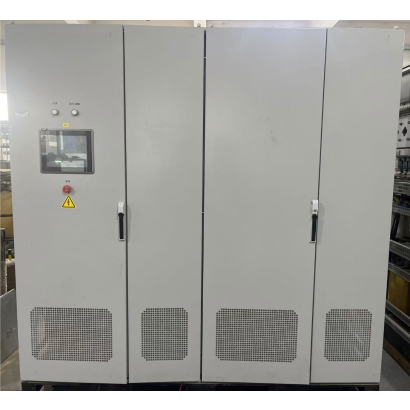
The evolution of industrial applications has created an unprecedented demand for reliable, safe, and efficient power solutions. As manufacturing processes become more sophisticated and electrical systems grow in complexity, the need for robust high power programmable DC power supplies has never been more critical. These advanced power systems serve as the backbone of numerous industrial operations, from automated manufacturing lines to research laboratories conducting critical testing procedures. Understanding the safety considerations inherent in these powerful systems is essential for engineers, facility managers, and procurement specialists who must ensure both operational excellence and workplace safety.
The landscape of power supply technology continues to advance rapidly, with modern high power programmable DC power supplies incorporating sophisticated safety mechanisms that were unimaginable just a decade ago. These systems must operate reliably under extreme conditions while protecting both equipment and personnel from potential hazards. The integration of intelligent monitoring systems, advanced protection circuits, and fail-safe mechanisms has transformed these power supplies into comprehensive safety platforms that extend far beyond simple voltage and current regulation.
Modern industrial environments demand power solutions that can adapt to varying load conditions while maintaining strict safety standards. The programmable nature of these systems allows for precise control over output parameters, enabling applications ranging from battery testing and electroplating to motor drives and renewable energy systems. However, this flexibility brings additional complexity in safety design, requiring engineers to consider multiple operational scenarios and potential failure modes when specifying protection systems.
Core Safety Architecture in Modern Power Systems
Multi-Layer Protection Framework
The foundation of safety in high power programmable DC power supplies lies in their multi-layered protection architecture. This comprehensive approach involves implementing redundant safety systems at various levels, from component-level protection to system-wide monitoring and control. The primary layer typically includes overcurrent protection, overvoltage protection, and thermal monitoring, each designed to respond immediately to potentially dangerous conditions. Secondary protection layers provide backup safety measures that activate when primary systems are compromised or when multiple fault conditions occur simultaneously.
Advanced protection frameworks also incorporate predictive safety measures that monitor system parameters continuously and can anticipate potential failures before they occur. These systems utilize sophisticated algorithms to analyze trends in temperature, current, voltage, and other critical parameters, enabling proactive intervention before safety thresholds are exceeded. This predictive approach significantly reduces the risk of catastrophic failures and extends the operational lifespan of both the power supply and connected equipment.
Hardware-Based Safety Interlocks
Hardware-based safety interlocks represent one of the most critical safety features in high power programmable DC power supplies. These systems operate independently of software control, providing fail-safe protection even in situations where primary control systems malfunction. Hardware interlocks typically include emergency shutdown circuits, door position sensors for cabinet-mounted units, and hardwired connections to external safety systems. The independence of these safety circuits ensures that protection remains active regardless of programming errors, communication failures, or software malfunctions.
Modern interlock systems often incorporate multiple redundancy levels, with each safety circuit designed to fail in a safe state. This design philosophy ensures that any single component failure will not compromise overall system safety. Additionally, these systems frequently include diagnostic capabilities that continuously monitor the integrity of safety circuits, providing early warning of potential safety system degradation before it impacts operational safety.
Thermal Management and Fire Prevention
Advanced Cooling System Design
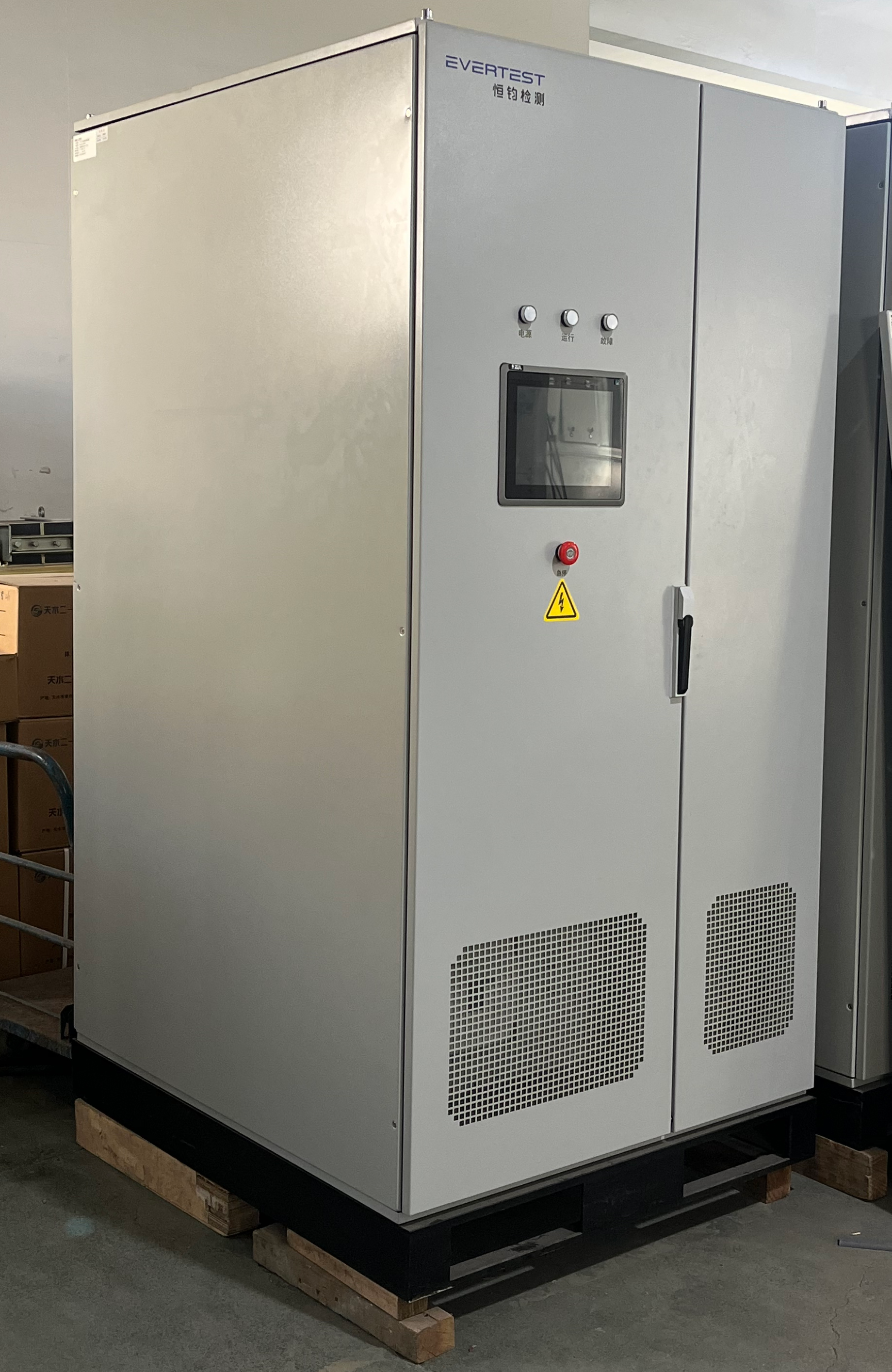
Thermal management represents one of the most critical aspects of safety design in high power programmable DC power supplies. These systems generate substantial heat during operation, and inadequate thermal management can lead to component failure, reduced lifespan, and potential fire hazards. Modern cooling systems employ multiple strategies, including forced air cooling, liquid cooling, and advanced heat sink designs that maximize heat dissipation while minimizing system footprint. The integration of temperature monitoring throughout the system ensures that cooling performance is continuously evaluated and adjusted based on operating conditions.
Contemporary cooling systems often incorporate intelligent fan control that adjusts cooling capacity based on real-time thermal conditions. This approach not only improves energy efficiency but also reduces acoustic noise and extends fan lifespan. Some advanced systems utilize predictive thermal modeling to anticipate cooling requirements based on programmed output profiles, enabling proactive thermal management that prevents temperature excursions before they occur.
Fire Suppression and Detection Systems
Fire prevention and suppression capabilities are integral to the safety design of high power programmable DC power supplies. Modern systems incorporate multiple fire detection technologies, including thermal sensors, smoke detectors, and gas detection systems that can identify the early stages of component degradation or thermal runaway. These detection systems are typically integrated with facility fire suppression systems, enabling coordinated response to fire hazards that may affect both the power supply and surrounding equipment.
Advanced fire prevention measures often include the use of flame-retardant materials in construction, compartmentalized design that prevents fire spread, and automatic shutdown systems that remove power from affected circuits upon fire detection. Some systems also incorporate integrated fire suppression capabilities, such as inert gas flooding systems for enclosed cabinets, providing immediate fire suppression without requiring external intervention.
Electrical Safety and Isolation
Galvanic Isolation Technologies
Galvanic isolation serves as a fundamental safety feature in high power programmable DC power supplies, providing electrical separation between input and output circuits to prevent ground loops, reduce noise, and enhance operator safety. Modern isolation technologies employ various approaches, including transformer-based isolation, optical isolation, and capacitive isolation, each offering specific advantages for different applications. The selection of appropriate isolation technology depends on factors such as voltage levels, power requirements, bandwidth needs, and safety standards compliance.
Contemporary isolation systems often provide multiple levels of isolation, including isolation between control circuits and power circuits, isolation between different output channels, and isolation between the power supply and external communication interfaces. This comprehensive isolation strategy minimizes the risk of electrical hazards while enabling flexible system integration and reducing electromagnetic interference that could affect sensitive connected equipment.
Ground Fault Detection and Protection
Ground fault detection and protection systems play a crucial role in electrical safety for high power programmable DC power supplies. These systems continuously monitor the electrical integrity of safety grounds and can detect ground faults that might not be apparent through normal operational monitoring. Modern ground fault protection systems utilize sensitive current monitoring techniques that can detect minute leakage currents, enabling early intervention before dangerous conditions develop.
Advanced ground fault protection often incorporates multiple detection methods, including differential current monitoring, insulation resistance testing, and ground continuity verification. These systems provide both immediate protection through rapid shutdown capabilities and long-term monitoring that can identify degrading insulation or developing ground faults before they become safety hazards. Integration with facility ground fault monitoring systems enables coordinated protection strategies that consider the broader electrical environment.
User Interface Safety and Access Control
Secure Access Management
Access control systems in high power programmable DC power supplies serve multiple safety functions, from preventing unauthorized operation to ensuring that only qualified personnel can modify safety-critical parameters. Modern access management systems employ various authentication methods, including password protection, keycard access, biometric verification, and multi-factor authentication. These systems often incorporate role-based access control that limits user permissions based on qualification levels and operational requirements.
Contemporary access control systems frequently include audit trail capabilities that maintain detailed records of all user interactions, parameter changes, and safety system activations. This documentation capability supports both operational troubleshooting and compliance verification, while also enabling analysis of usage patterns that might indicate training needs or procedural improvements. Integration with facility access control systems enables coordinated security measures that consider both physical and electronic access to power supply systems.
Safety-Critical User Interface Design
The design of user interfaces for high power programmable DC power supplies must carefully balance operational flexibility with safety requirements. Modern interfaces incorporate multiple safety features, including confirmation dialogs for potentially dangerous operations, clear indication of system status and safety conditions, and intuitive emergency shutdown controls. The visual design of these interfaces often employs color coding, symbols, and layout strategies that minimize the risk of operator error while ensuring that critical safety information is immediately apparent.
Advanced user interface systems often include context-sensitive help and guidance systems that provide real-time assistance for complex operations while highlighting safety considerations relevant to specific operational scenarios. These systems may also incorporate intelligent monitoring that can detect potentially unsafe operating conditions based on programmed parameters and provide warnings or automatic interventions to prevent hazardous situations.
Communication and Monitoring Safety Features
Secure Communication Protocols
Communication security has become increasingly important in high power programmable DC power supplies as these systems become more integrated with facility networks and remote monitoring systems. Modern communication safety features include encrypted data transmission, authentication protocols, and intrusion detection systems that protect against both accidental interference and malicious attacks. These security measures ensure that safety-critical control functions cannot be compromised through communication channels while enabling necessary remote monitoring and control capabilities.
Contemporary communication systems often implement multiple redundancy levels, including backup communication paths, automatic failover capabilities, and local autonomy that maintains safe operation even when communication links are compromised. Integration with facility cybersecurity systems enables coordinated protection strategies that consider both the power supply system and the broader network infrastructure in which it operates.
Real-Time Safety Monitoring
Real-time safety monitoring capabilities enable continuous assessment of system conditions and immediate response to developing safety concerns. Modern monitoring systems utilize advanced sensor technologies, high-speed data acquisition, and sophisticated analysis algorithms to track multiple safety parameters simultaneously. These systems can detect subtle changes in operating conditions that might indicate developing problems, enabling proactive maintenance and preventing safety incidents before they occur.
Advanced monitoring systems often incorporate machine learning capabilities that can identify patterns and anomalies in operational data, improving their ability to predict and prevent safety issues over time. Integration with facility monitoring systems enables coordinated safety management that considers interactions between the power supply system and other facility equipment, providing comprehensive situational awareness for safety personnel.
Compliance and Certification Standards
International Safety Standards
Compliance with international safety standards represents a fundamental requirement for high power programmable DC power supplies used in professional and industrial applications. Key standards include IEC 61010 for safety requirements of electrical equipment for measurement, control, and laboratory use, UL 508A for industrial control panels, and various EMC standards that address electromagnetic compatibility. These standards specify detailed requirements for construction, testing, marking, and documentation that ensure consistent safety performance across different manufacturers and applications.
Modern safety standards continue to evolve in response to technological advances and emerging safety concerns, requiring manufacturers to maintain ongoing compliance efforts that go beyond initial certification. This includes regular testing, documentation updates, and design modifications to address new safety requirements as they are developed. The complexity of these standards often requires specialized expertise in safety engineering and regulatory compliance to ensure comprehensive adherence.
Quality Assurance and Testing Protocols
Comprehensive testing protocols play a critical role in ensuring the safety and reliability of high power programmable DC power supplies throughout their operational lifespan. These protocols typically include factory acceptance testing, ongoing performance verification, and periodic safety system testing that validates the continued effectiveness of protection systems. Modern testing approaches often incorporate automated testing systems that can perform complex test sequences with high repeatability and comprehensive documentation.
Advanced testing protocols frequently include accelerated aging tests, environmental stress testing, and failure mode analysis that help identify potential safety issues before they manifest in operational use. Integration with quality management systems enables systematic tracking of test results, trend analysis, and continuous improvement of both product design and testing procedures. This comprehensive approach to quality assurance helps ensure that safety features perform reliably throughout the expected operational lifespan of high power programmable DC power supplies.
FAQ
What are the most critical safety features to look for when selecting high power programmable DC power supplies?
The most critical safety features include comprehensive overcurrent and overvoltage protection with hardware-based interlocks, advanced thermal management systems with multiple temperature monitoring points, galvanic isolation between input and output circuits, ground fault detection and protection, secure access control systems, and compliance with relevant international safety standards such as IEC 61010. Additionally, look for systems with redundant safety circuits, emergency shutdown capabilities, and real-time monitoring systems that provide early warning of developing safety concerns.
How do modern thermal management systems prevent fire hazards in high power applications?
Modern thermal management systems prevent fire hazards through multiple approaches including intelligent cooling systems with predictive thermal modeling, comprehensive temperature monitoring throughout the system, automatic load reduction or shutdown when thermal limits are approached, use of flame-retardant materials in construction, and integration with fire detection and suppression systems. Advanced systems also incorporate thermal imaging and hot spot detection that can identify developing problems before they reach dangerous temperatures.
What role does galvanic isolation play in the overall safety of high power programmable DC power supplies?
Galvanic isolation provides electrical separation between different circuits, preventing ground loops that could cause equipment damage or create safety hazards. It protects operators from electrical shock by preventing dangerous voltages from appearing on accessible surfaces, reduces electromagnetic interference that could affect connected equipment, and enables safe integration with other systems by preventing electrical conflicts between different ground references. Multiple levels of isolation may be implemented to provide comprehensive protection in complex installations.
How do access control systems contribute to operational safety in industrial power supply applications?
Access control systems contribute to operational safety by ensuring that only qualified personnel can operate or modify safety-critical parameters, preventing unauthorized changes that could create hazardous conditions, maintaining detailed audit trails of all system interactions for troubleshooting and compliance purposes, and providing role-based permissions that limit user actions based on training and authorization levels. Advanced systems may also include real-time monitoring that can detect and prevent potentially unsafe operations before they are executed.
Table of Contents
- Core Safety Architecture in Modern Power Systems
- Thermal Management and Fire Prevention
- Electrical Safety and Isolation
- User Interface Safety and Access Control
- Communication and Monitoring Safety Features
- Compliance and Certification Standards
-
FAQ
- What are the most critical safety features to look for when selecting high power programmable DC power supplies?
- How do modern thermal management systems prevent fire hazards in high power applications?
- What role does galvanic isolation play in the overall safety of high power programmable DC power supplies?
- How do access control systems contribute to operational safety in industrial power supply applications?

